Define a recognisable starting arrangement
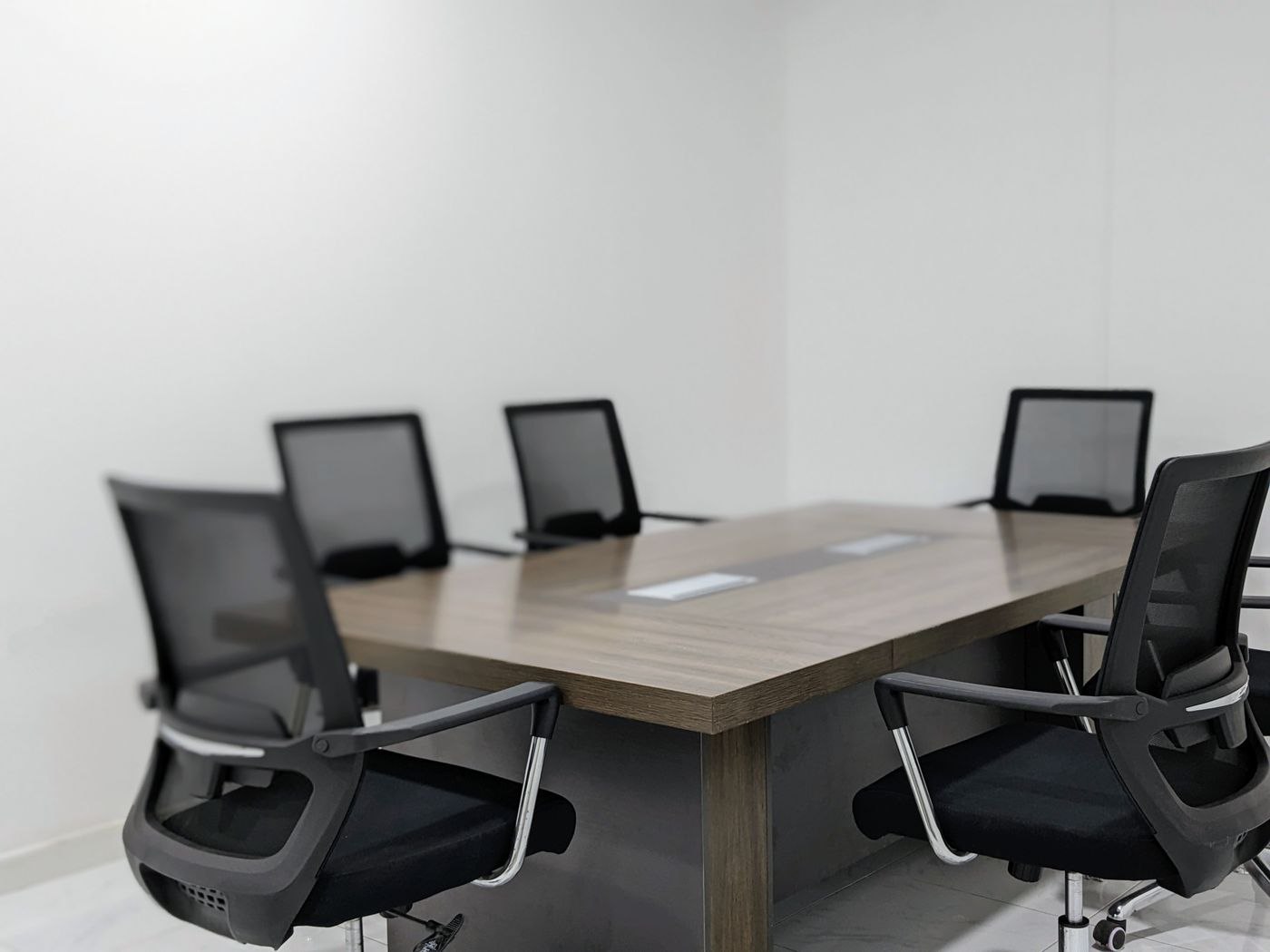
Agree how the room should normally be left. Include the standard table arrangement, available chairs and fixed locations for remote controls, adapters and pens. A simple photograph of the usual setup can help when users change frequently. Show the real room, rather than an ideal arrangement that cannot be maintained because other furniture gets in the way.
Limit the reset to tasks users can perform themselves. Furniture repairs, thorough cleaning and technical faults need another process. If these are mixed into one long closing checklist, even simple tasks can be neglected. Three understandable areas are often sufficient: remove personal belongings, return shared equipment and report exceptions. Decide who handles the reset when a larger group leaves together.
Leave no meeting information behind
Take documents, name cards and personal devices with you. Check window ledges, sockets and the space beneath the table as well. Erase whiteboard notes only after the required results have been saved in the agreed work location. A photograph on a personal phone is not automatically an appropriate method for confidential material; use the process established for the team.
End screen sharing and sign out of shared equipment according to its operating rules. Do not leave personal accounts open for the next group. Return connection cables to their designated positions without winding them tightly around devices or putting connectors under tension. A cable that appears damaged needs reporting rather than being silently left for the next meeting. Make sure loaned adapters return to the room they belong to, particularly where several rooms use similar equipment.
Report faults with useful detail
When something goes wrong, explain what failed and which equipment was involved. The room, time and observed behaviour are more useful than a message saying the technology is broken. Mark an unusable item through the local process so the same unsuccessful attempt is not repeated by several groups. Do not quietly alter permanent wiring to create a temporary workaround that other users cannot understand.
Allow time for the reset between closely scheduled meetings. The final discussion should not continue until the exact second the next booking begins. If the room repeatedly ends up untidy, first check whether equipment lacks a fixed home or bookings leave no changeover time. A clear starting arrangement and accessible storage usually do more than another reminder on the door. Review the process with regular users so that it reflects the tasks they can realistically complete before leaving.