Office routines & buying
Reordering office supplies by usage
An empty pen box can coexist with several unopened packs elsewhere. Reordering needs a visible stock position and a clear person responsible for acting on it.
20 articles
Office routines & buying
An empty pen box can coexist with several unopened packs elsewhere. Reordering needs a visible stock position and a clear person responsible for acting on it.
Office routines & buying
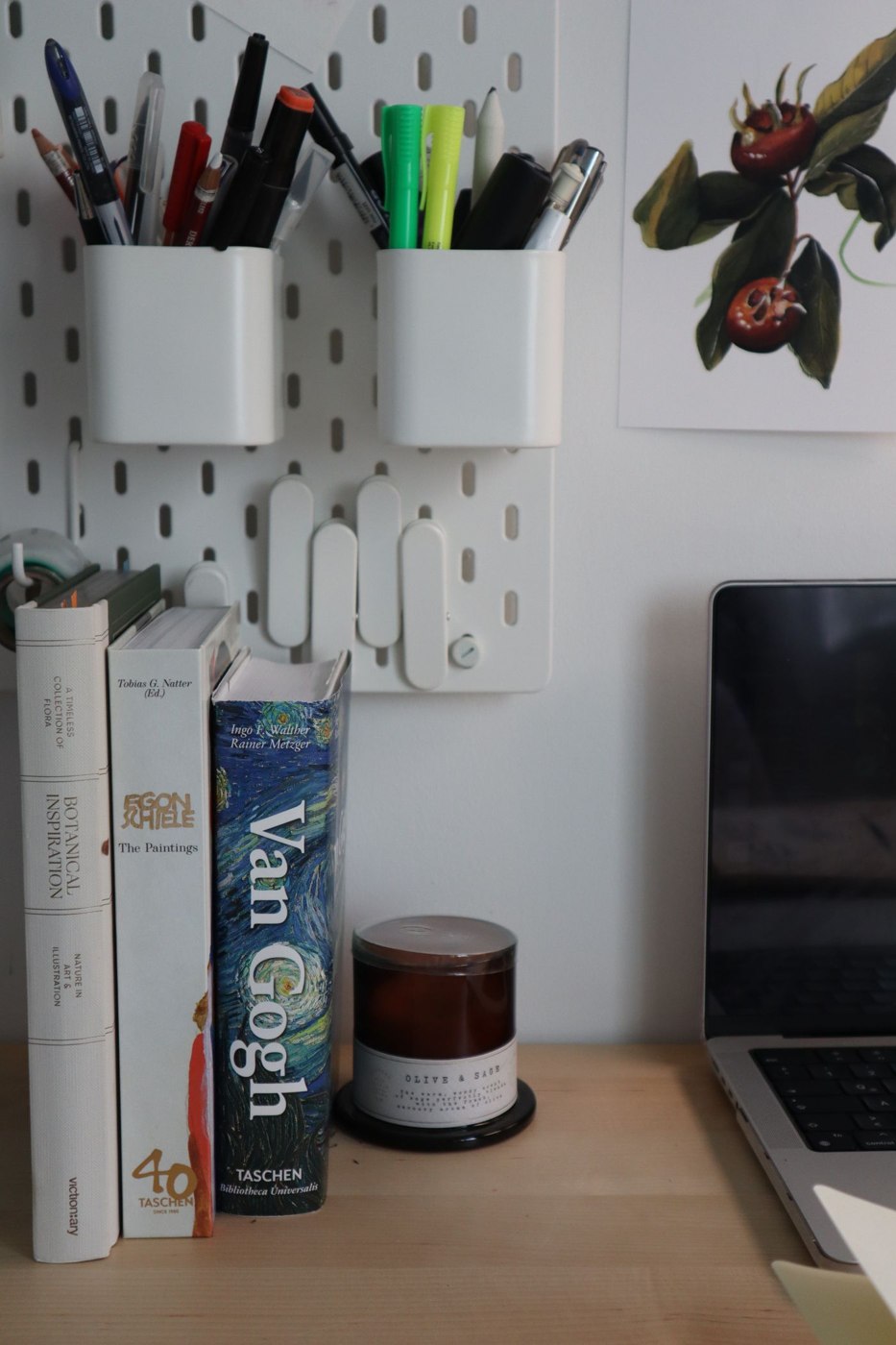
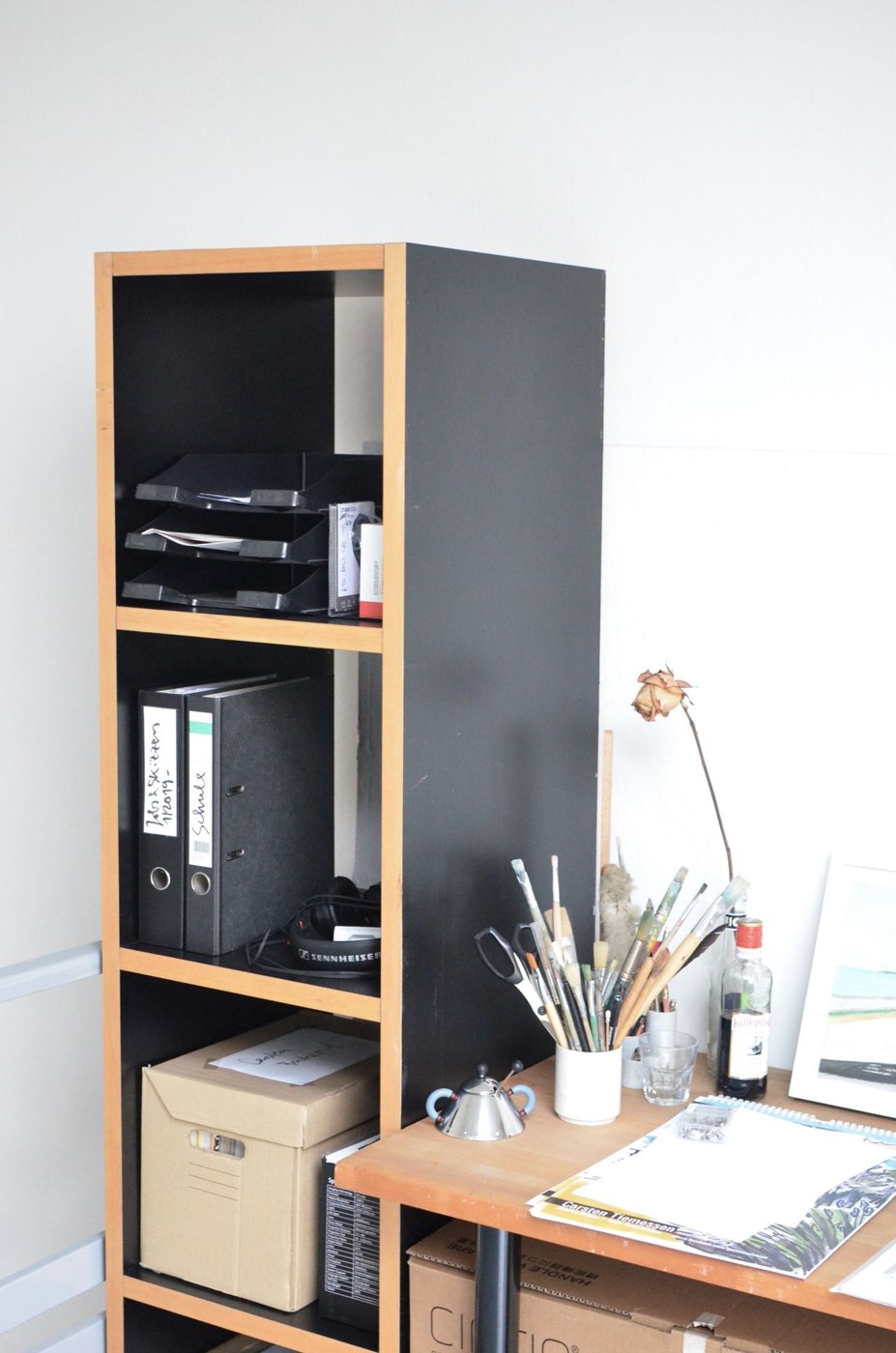
A shared stationery cupboard should make sense to people who did not arrange it. Organise it around taking and returning materials rather than only its appearance after tidying.
Office routines & buying
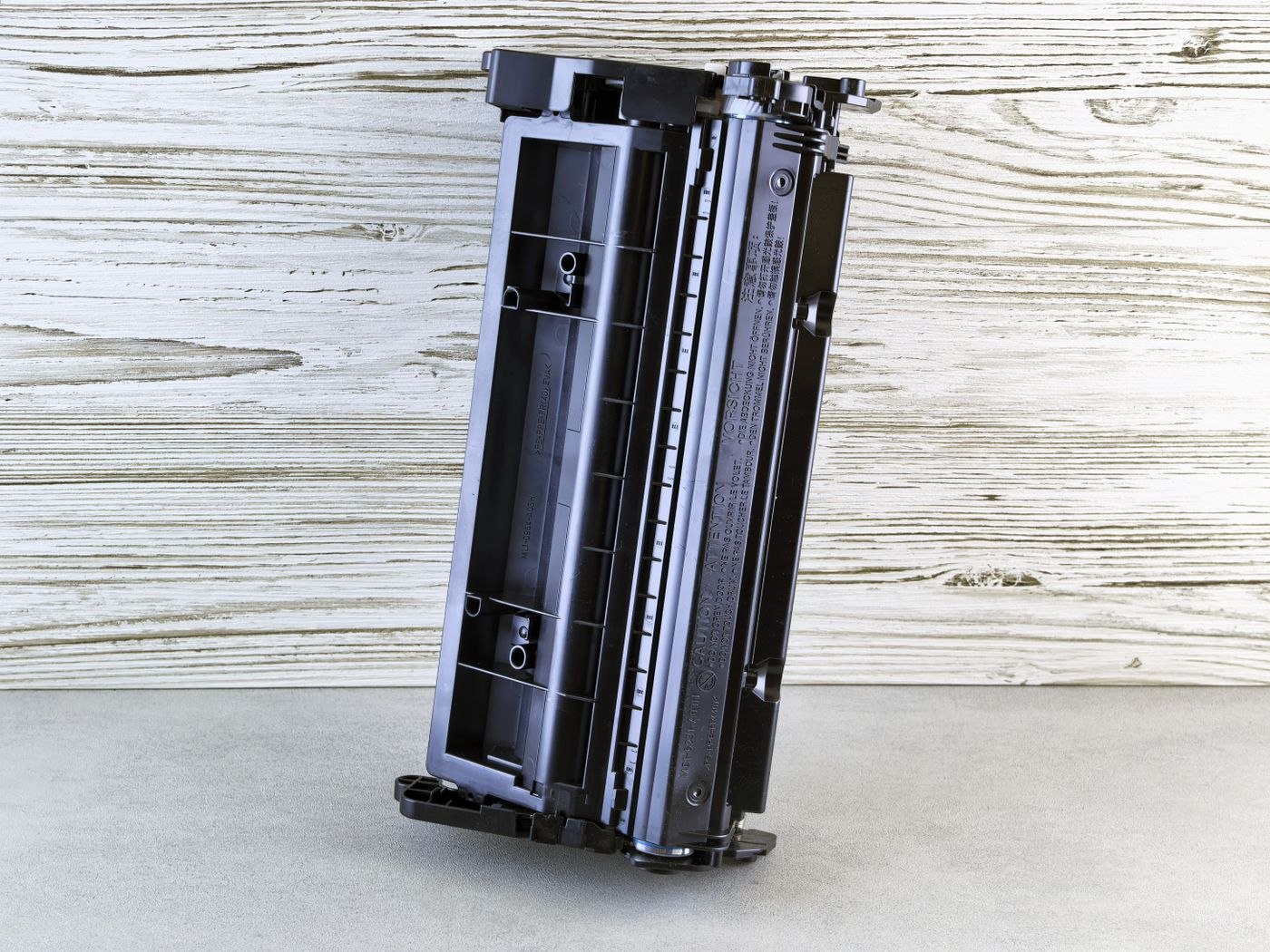
Replacement supplies help only when they match the printer and can be found in time. Begin with precise equipment identification rather than a large general order.
Office routines & buying
An equipment handover involves more than a laptop in a box. A short, accountable record connects the device, its accessories and any agreed next steps.
Office routines & buying
An equipment list does not need every technical detail. It should answer the questions that arise in the office: what is available, where it is and who can resolve the next step.
Office routines & buying
Unpacking leaves cartons, small bags and unfamiliar adapters behind. Sort them by their future use before they disappear into a shared cupboard.
Office routines & buying
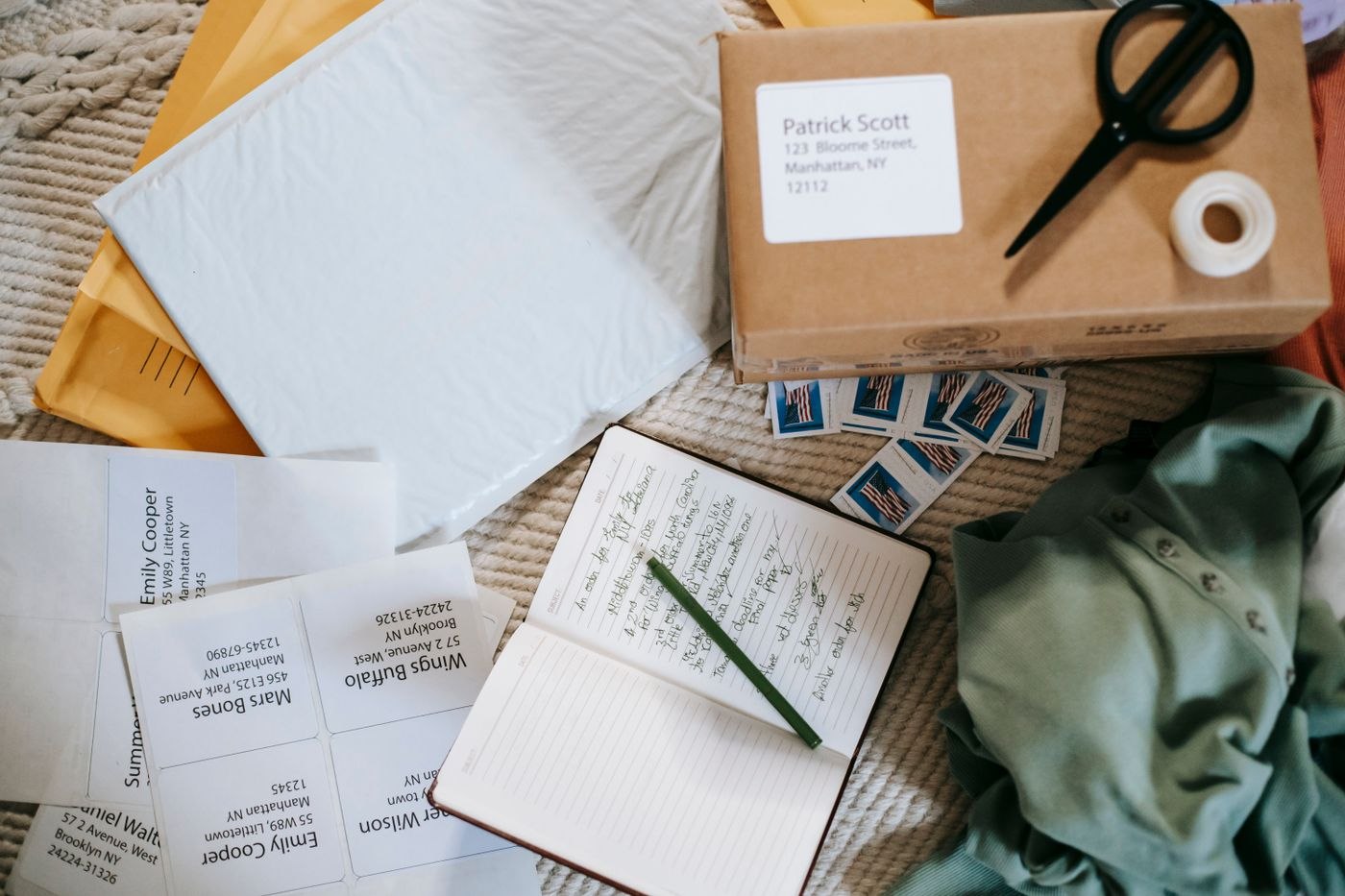
A small mailing station needs a clear working surface and unmistakable handover points. Design it around the items the office actually sends.
Office routines & buying
The next meeting should not begin with a search for a cable or somebody else's notes. A short room reset keeps shared meeting spaces ready to use.
Office routines & buying
Before a longer absence, switching off displays is only part of the job. Establish which work continues, who needs access and how problems will be handled.
Office routines & buying
A new workspace does not need a complete stationery catalogue immediately. Assemble the materials required for the first real tasks, then expand from experience.
Office routines & buying
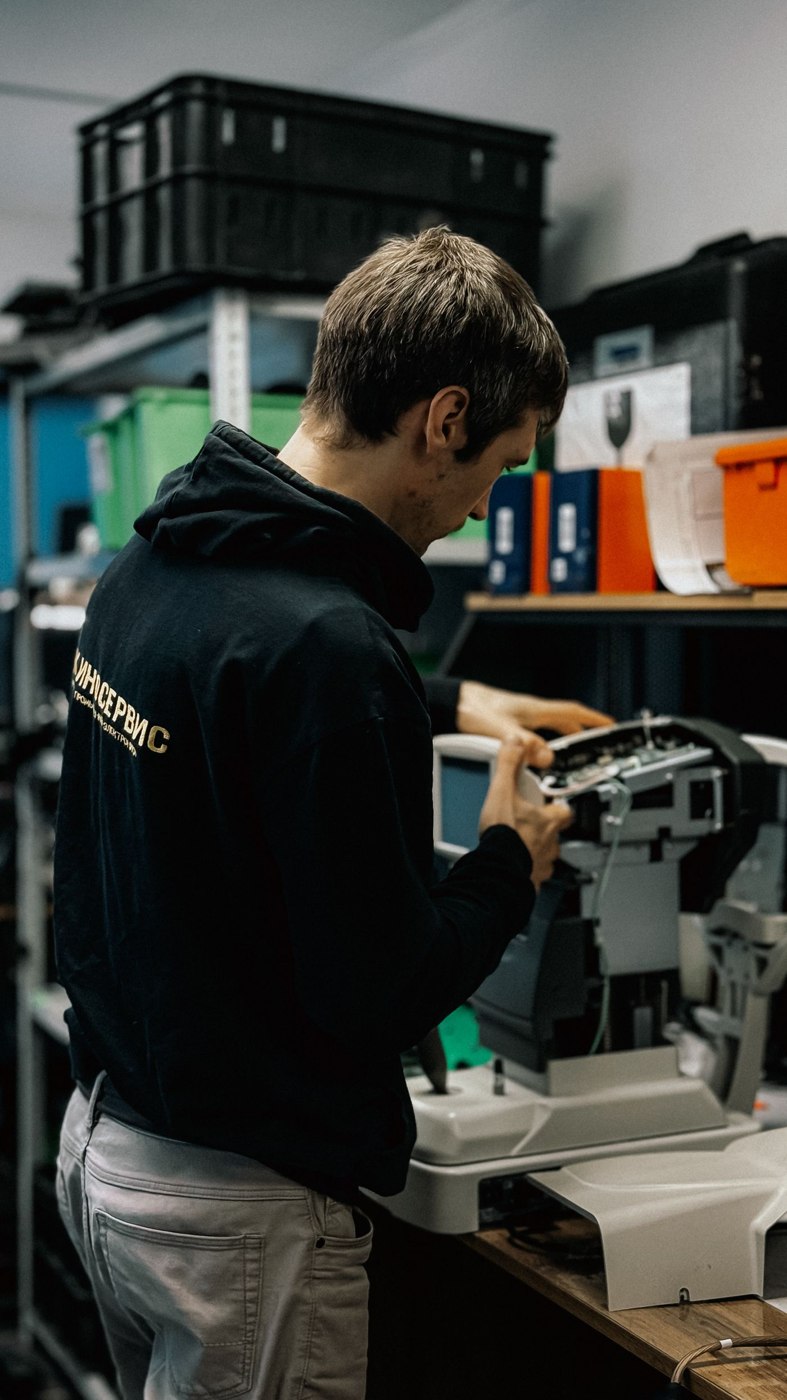
Whether repair makes sense depends on more than the purchase price of a replacement. Compare downtime, the fault, related costs and the work the equipment must perform next.
Office routines & buying
A visitor day runs more smoothly when arrival instructions, working locations and responsible people fit together. Prepare the actual sequence rather than merely reserving a meeting room.
Office routines & buying
Loan equipment rarely disappears deliberately. More often, a clear return date, accessory list or agreed receiving point is missing.
Office routines & buying
A workspace can be built in stages if the sequence makes sense. Start with a usable core setup and base later purchases on observed constraints.
Office routines & buying
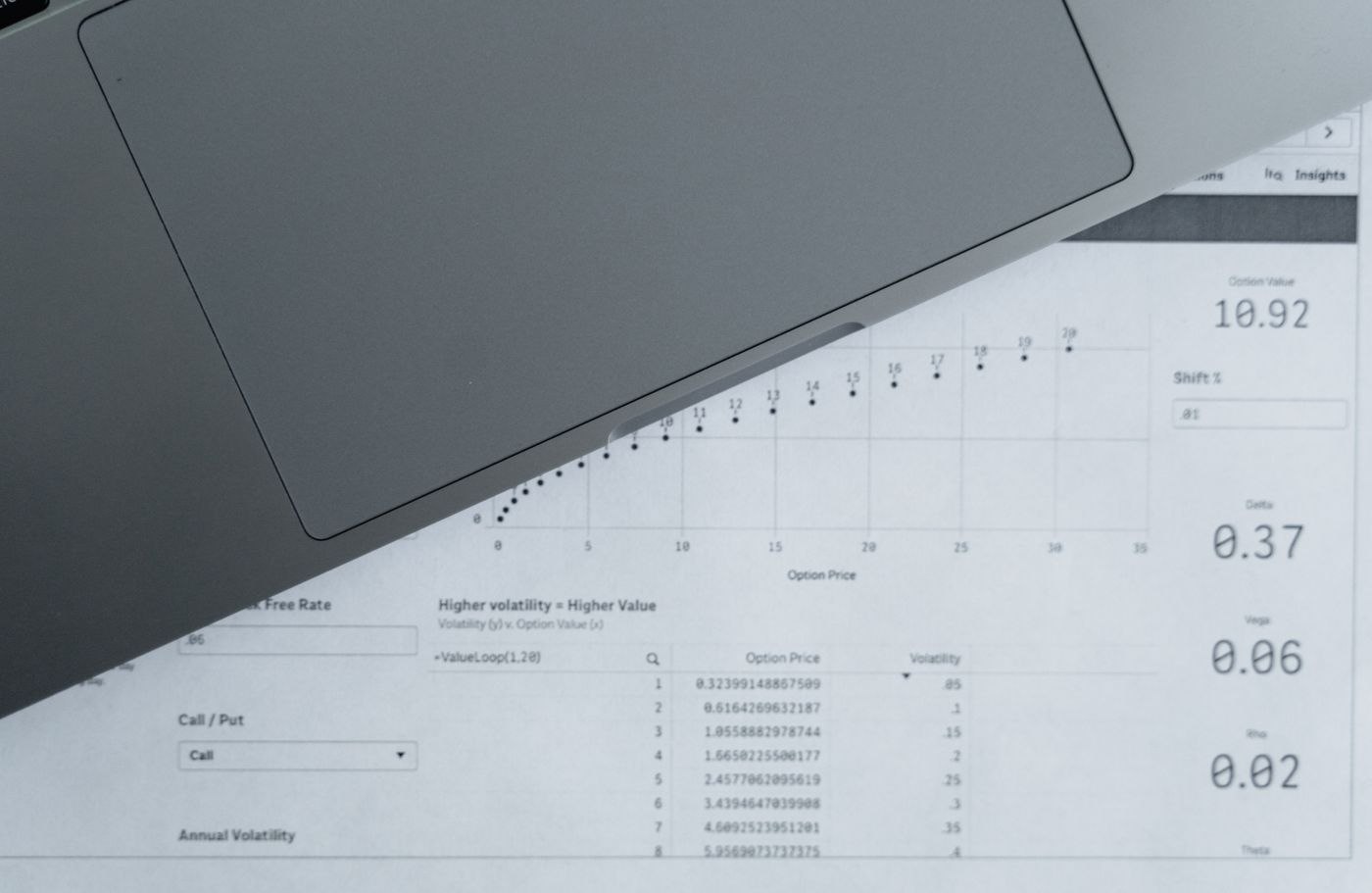
A comparison sheet becomes useful only when its criteria match the work. Separate essential requirements, verifiable differences and the complete order.
Office routines & buying
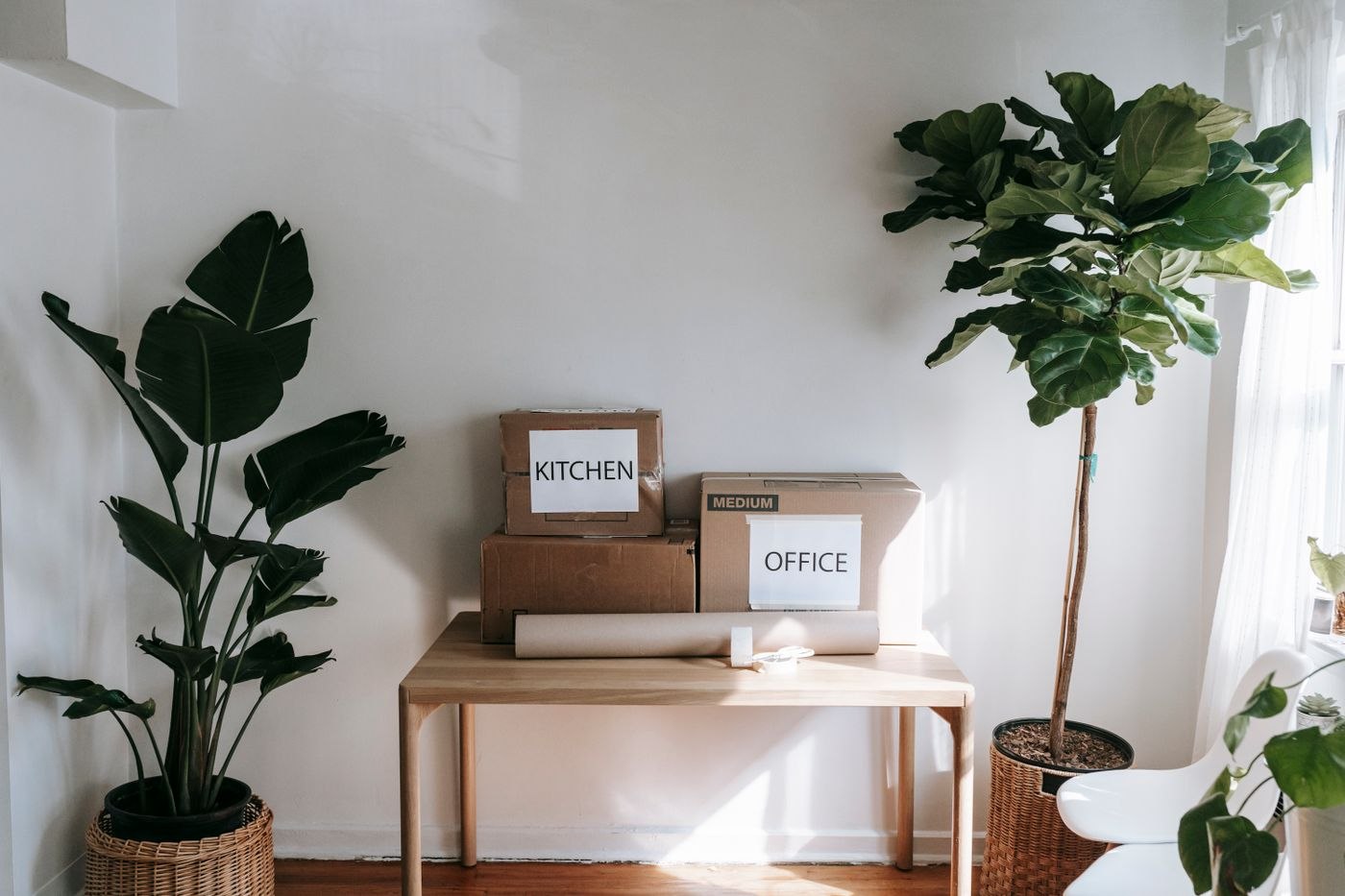
An office clear-out sends furniture, work data, keys and ongoing commitments along different routes. A shared overview prevents the final day from becoming an improvised sorting exercise.
Office routines & buying
When attendance varies, desks, shared equipment and personal belongings need clear arrangements. Organise around the patterns that actually occur in the office.
Office routines & buying
Compact stock storage starts with limited quantities and suitable locations. Extra boxes do little if supplies become difficult to find or reach inside them.
Office routines & buying
A shared calendar should show more than an occupied slot. Make the resource, responsible person and actual next availability clear.
Office routines & buying
For a short off-site visit, the right combination of tools matters more than carrying everything. Pack around the task, available connections and journey back.