Planning & collaboration
Starting a weekly plan with fixed appointments
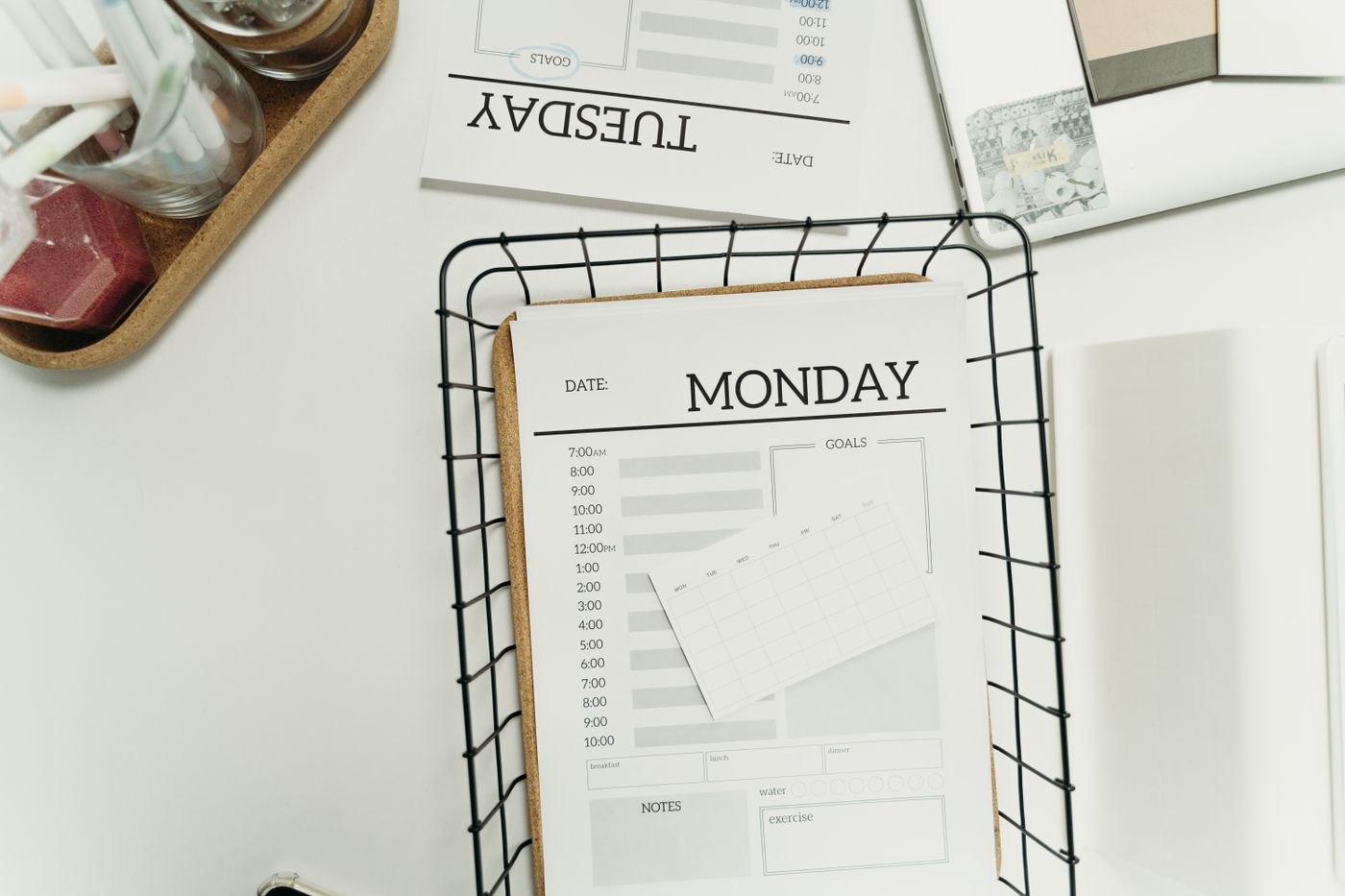
A weekly plan starts with the time that is genuinely available. Enter fixed commitments before distributing tasks across days that merely appear empty.
26 articles
Planning & collaboration
A weekly plan starts with the time that is genuinely available. Enter fixed commitments before distributing tasks across days that merely appear empty.
Planning & collaboration
A calendar and a task list answer different questions. One shows committed time, while the other tracks work still to be done. Clear connections make them useful together.
Planning & collaboration
A task is easier to begin when its next action is visible. Write what can actually be done rather than recording only a subject.
Planning & collaboration
Scheduled email sessions work only when they match real expectations about response times. Establish those expectations first, then give each message a clear next step.
Planning & collaboration
A meeting needs a question that will have moved forward by the end. Plan participants, preparation and time around that outcome rather than around an empty calendar slot.
Planning & collaboration
Meeting notes often mix decisions, ideas and actions. Move only genuinely agreed actions into the task overview while keeping their context traceable.
Planning & collaboration
A small project file collection needs a clear entry point and a few understandable areas. Build it around the material that will actually exist rather than importing a large hierarchy in advance.
Planning & collaboration
Version confusion often comes from treating several files as current at the same time, rather than from a lack of software. First agree which version is authoritative and how changes reach it.
Planning & collaboration
A leave handover should enable the deputy to act without reading your entire work history. Concentrate on matters that may genuinely become relevant while you are away.
Planning & collaboration
A checklist is useful when it prevents recurring omissions. It should support a known process rather than document every obvious movement.
Planning & collaboration
Not every spare minute between meetings is equally usable. Choose work whose start and stopping point fit the real interval.
Planning & collaboration
Notifications should match the task and agreed response expectations. Decide by sender and purpose, rather than simply by which application flashes most often.
Planning & collaboration
Daily notes become useful when decisions and open actions can be found again. A date helps memory but does not replace a connection to the subject.
Planning & collaboration
A digital whiteboard needs an understandable working path and a plan for transferring the results. A large blank canvas alone does not make a workshop collaborative.
Planning & collaboration
A shared task spreadsheet needs unambiguous columns and reliable maintenance. Start with the small set of information the team actually uses to coordinate work.
Planning & collaboration
A status update should show others what changed and where their decision is needed. A report of every small activity can easily obscure that purpose.
Planning & collaboration
A hybrid meeting is one shared conversation reached through different routes. Plan contributions, material and decisions for remote participants as well as the camera in the room.
Planning & collaboration
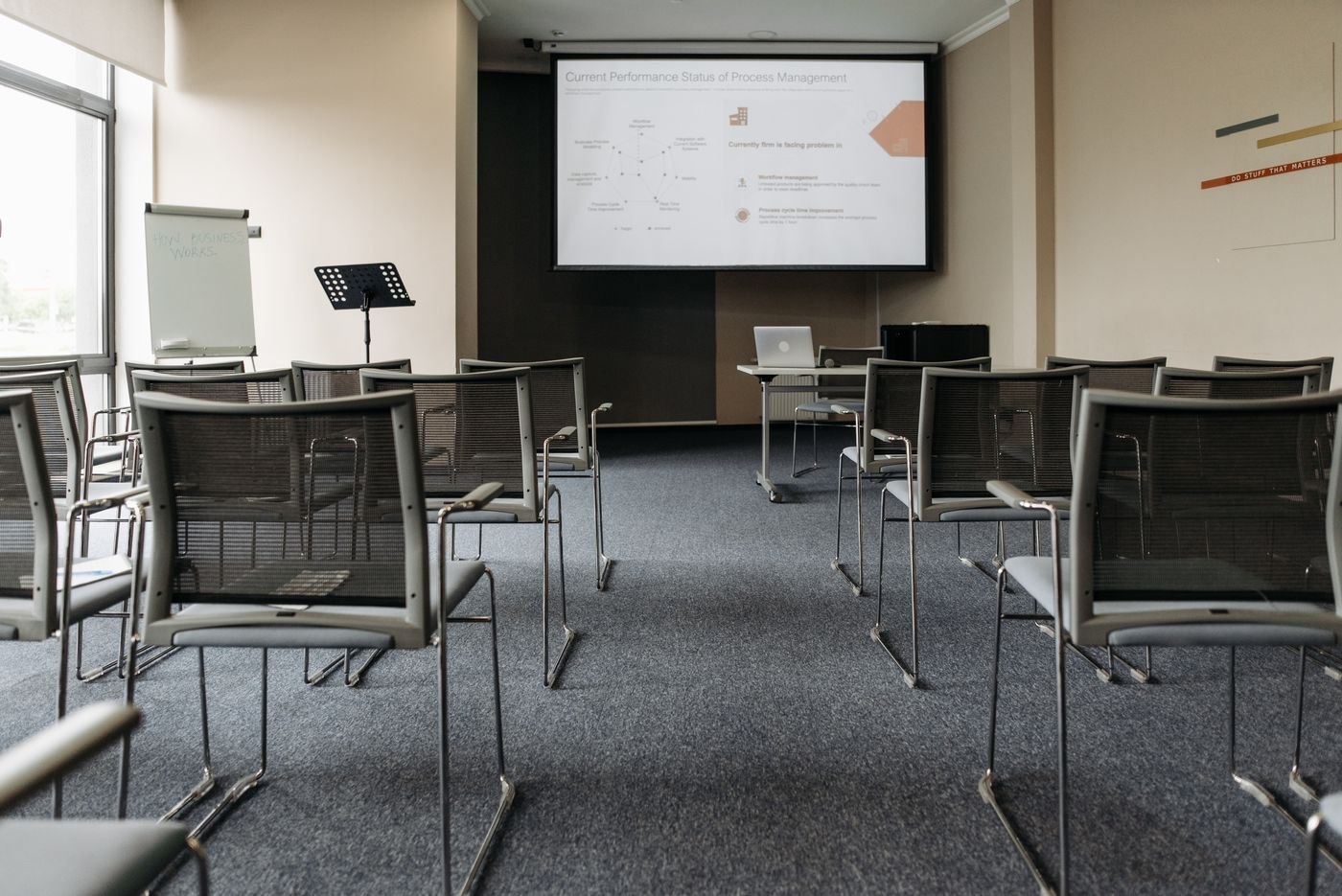
A presentation is prepared when it has been checked through the intended equipment and from the audience's perspective. A file that works on your own computer is only part of that test.
Planning & collaboration
A task can have a calendar slot and still be unable to start. Plan the required inputs and decisions alongside the time for doing the work itself.
Planning & collaboration
A finished project often leaves more than its final result. Files, remaining commitments and borrowed equipment need a clear handover so the next task does not begin with a search.
Planning & collaboration
A template saves work only when people can find it and know it is current. A small maintained collection is often easier to use than every document produced in the past.
Planning & collaboration
“Could you quickly …?” may mean a small answer or the start of a longer task. A brief clarification helps without turning every request into a separate project.
Planning & collaboration
A day filled with calls, questions and unexpected handovers cannot be planned like an uninterrupted one. Leave room for known interruptions and make it easy to return to work already started.
Planning & collaboration
Before sharing your screen, identify what other people actually need to see. The aim is a clear presentation without unnecessary glimpses of unrelated work.
Planning & collaboration
A shared knowledge collection should answer recurring questions. It needs less material than a complete document archive, but more upkeep than a folder created once and forgotten.
Planning & collaboration
A new workspace does not need every setting and folder changed on the first day. Establish the functions needed for your immediate work before reshaping the whole arrangement.