Translate one working day into objects
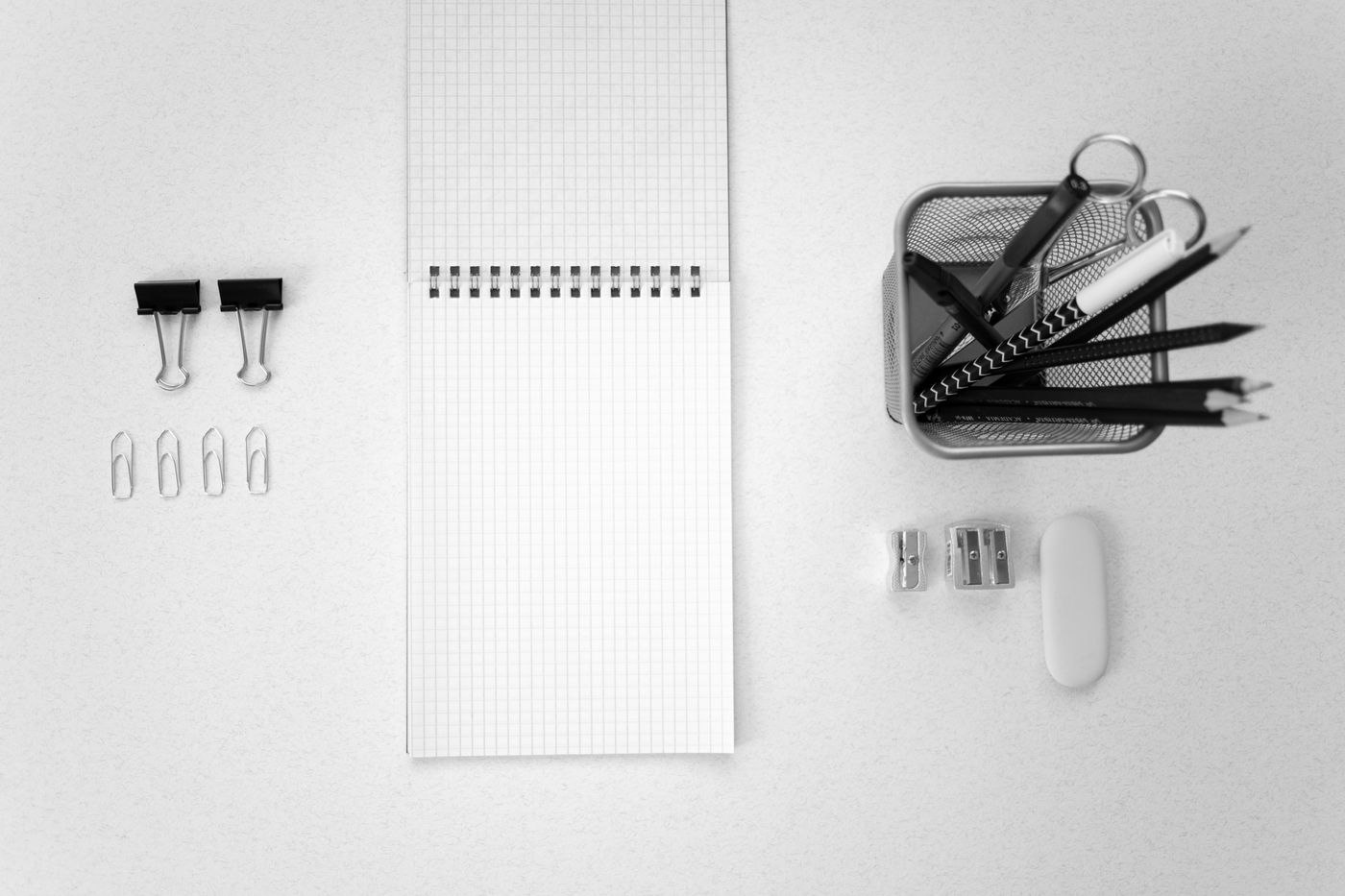
Start with the activities planned for the first days. Someone reviewing documents and adding handwritten notes needs different supplies from someone working mainly digitally and printing only occasionally. For each task, note which object will actually be used. This produces understandable quantities: one notebook for ongoing conversation notes rather than several different books without defined purposes.
Check existing stock before ordering. Shared scissors, hole punches and mailing supplies do not need duplicating at every desk. Ask where they are kept and whether any borrowing arrangements apply. Frequently used personal items should be reachable without a search for every small action. Let usage determine the boundary rather than an ambition to equip every workspace identically.
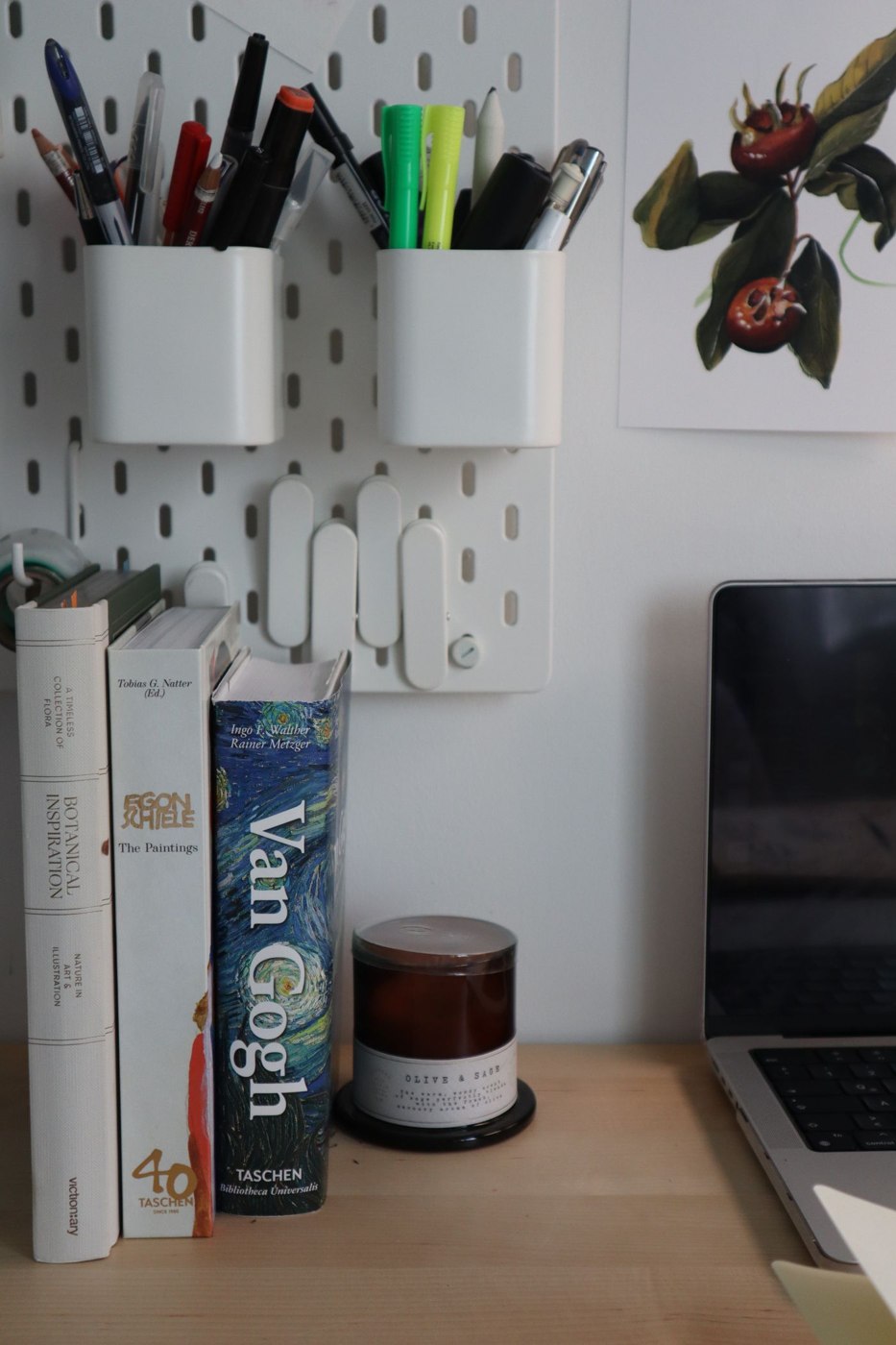
Start with modestly sized paper trays and small containers. A large filing surface can easily fill with documents that belong elsewhere. Separate current work from reserves and completed records. If the office already uses a filing system, adopt its labels so new documents do not disappear into a parallel personal arrangement. Leave room for the actual work rather than using every available corner for storage from the first day.
Add items after the first weeks
Leave some decisions until later. A particular pen width or notebook format is easier to assess after several days than from a product photograph. Collect specific difficulties: the existing stapler cannot handle the required pages, a form does not fit a folder, or a label cannot be read on the chosen material. These observations justify an addition more clearly than a general wish for extra accessories.
Keep only a small immediate replacement supply at the desk. Larger reserves belong in shared stock where this is readily accessible. Establish how missing items are reported or reordered. A fully equipped first day is of limited value if nobody later knows where replacement labels or suitable staples come from.
After settling in, check which objects have remained unused. Return usable items to the shared supply and resist automatically filling the newly available surface again. The workspace can change with the work. A small, understandable selection with an accessible replenishment route is often easier to use than several precautionary layers of materials around the keyboard. When an item is added, give it a defined home so that the addition does not undo the clarity of the original setup.