Read the invitation as a guest would
Send clear arrival information with the address, correct entrance, time and an available contact person. Where a site has several buildings, the organisation's name alone may not be enough. Explain where visitors should report and how to notify you if delayed. Ask early about access or participation requirements without collecting unnecessary personal information.
Check whether the visitors will remain in one place throughout the day. A meeting, a brief workplace tour and a later presentation involve different routes from a single appointment. Reserve the areas actually needed and inform people whose work will be affected. If several groups are expected, make their destinations distinguishable so nobody is sent to the wrong event.
Name a host and a backup
Decide who receives the visitors and who covers if that person is unavailable. Make this information available at the first arrival point. An unattended reception arrangement is unhelpful if the only contact is already in another conversation. Also agree who accompanies visitors between rooms where the local access process requires this.
Prepare documents and equipment before the start. Test a presentation using the intended connection and remove confidential papers from visible desks or whiteboards. If internet access is needed, use the designated guest arrangement and establish the login process beforehand. Do not spontaneously share personal credentials because the first connection attempt fails. Where guests bring their own equipment, ask about the connection they need rather than assuming it matches the room.
Allow for breaks and transitions
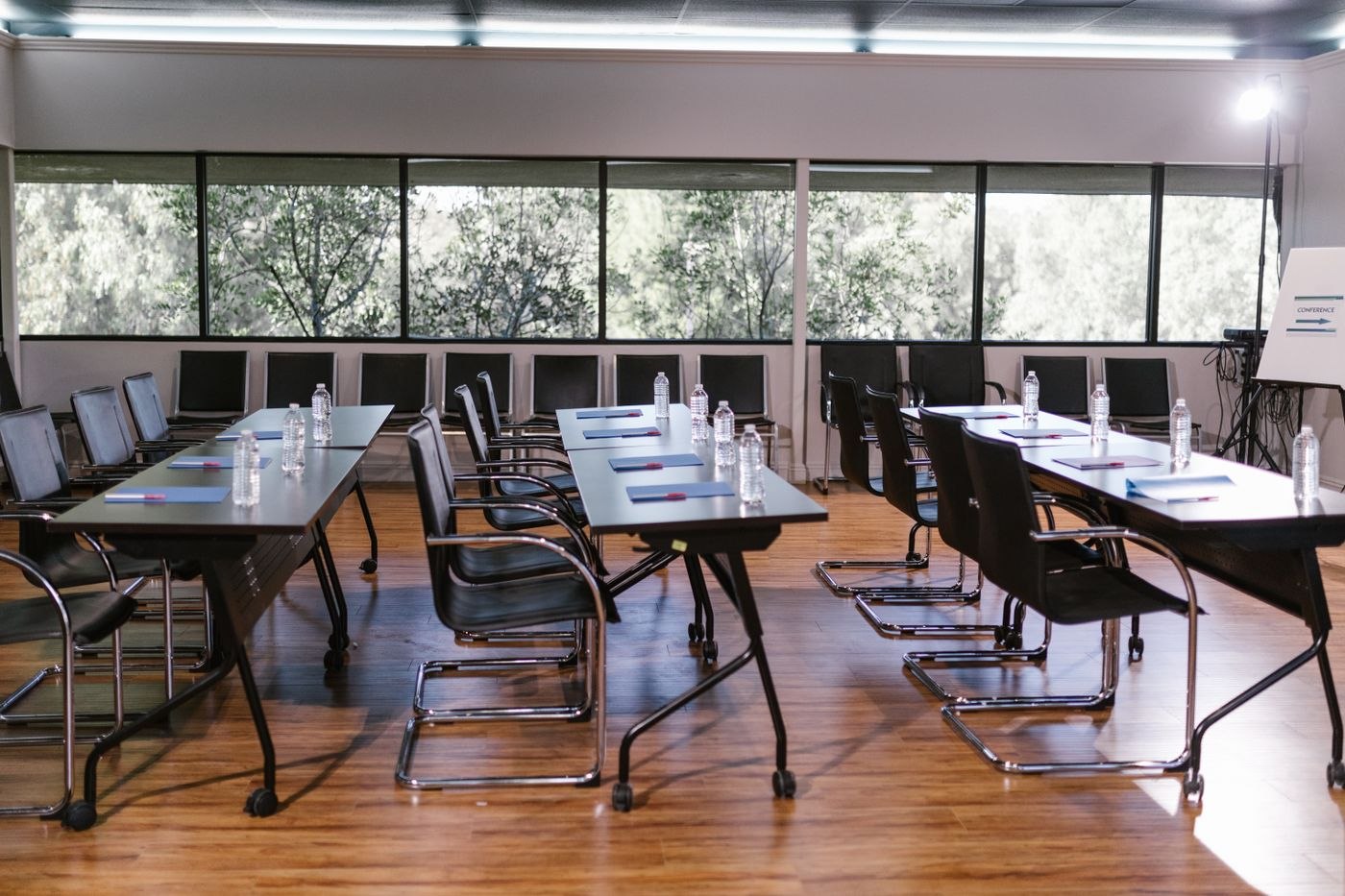
Leave enough time between activities for the actual room change. With a larger group, merely leaving a small room can take longer than expected. Explain where toilets and designated waiting or break areas are located. Drinks and other refreshments should reflect what can actually be arranged; do not promise facilities in the invitation that will be unavailable on the day.
Have a reduced alternative if a room or device fails. This might be a discussion without a display or another location agreed in advance. The alternative need not reproduce every feature; it should preserve the main purpose of the visit. Tell guests early if the schedule changes substantially rather than surprising them with an unresolved arrangement on arrival.
Close the visit properly
At the end, confirm next steps, responsible people and the intended communication route. Collect visitor passes and loan equipment through the local process. Check the room for belongings and confidential work materials left behind. A brief internal note about outstanding promises prevents an agreed follow-up from disappearing after a busy day. Feed recurring arrival difficulties into the next invitation so that the same confusion does not have to be solved repeatedly at the entrance.