Start with three observations
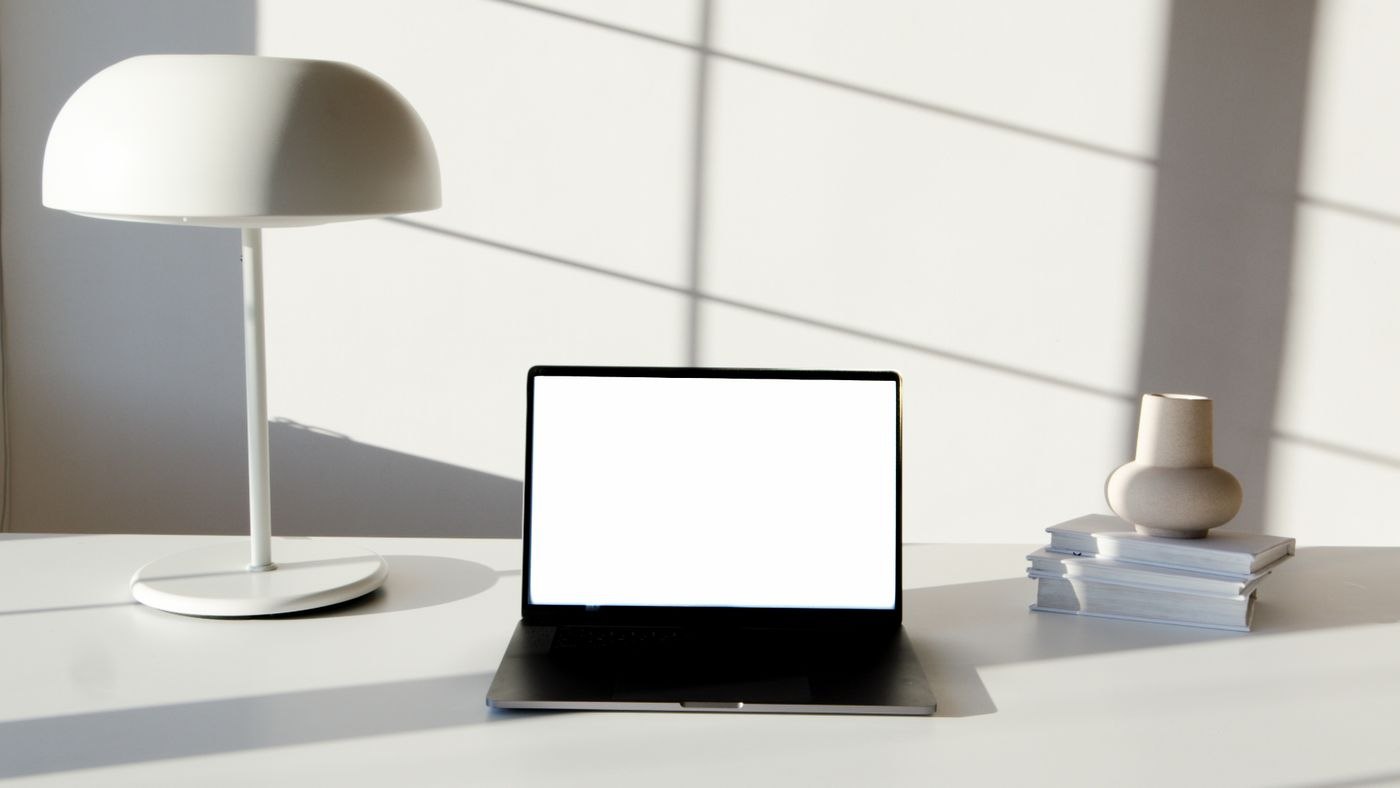
In the morning, around midday and late in the afternoon, note where direct sunlight reaches the desktop and display. Also check whether a bright window is reflected in the screen or sits directly behind it. These are different situations and may call for different adjustments. Mark the troublesome direction on a simple room sketch instead of describing the whole room merely as too bright.
If the furniture can move, test a rotated arrangement. A screen placed sideways to the window is worth trying, but other windows, reflective surfaces and surrounding furniture affect the result. After rotating it, check your normal seated position and access to doors and storage. Better light does not justify blocking a route through the room or making a cupboard unusable.
Choose shading around the working area
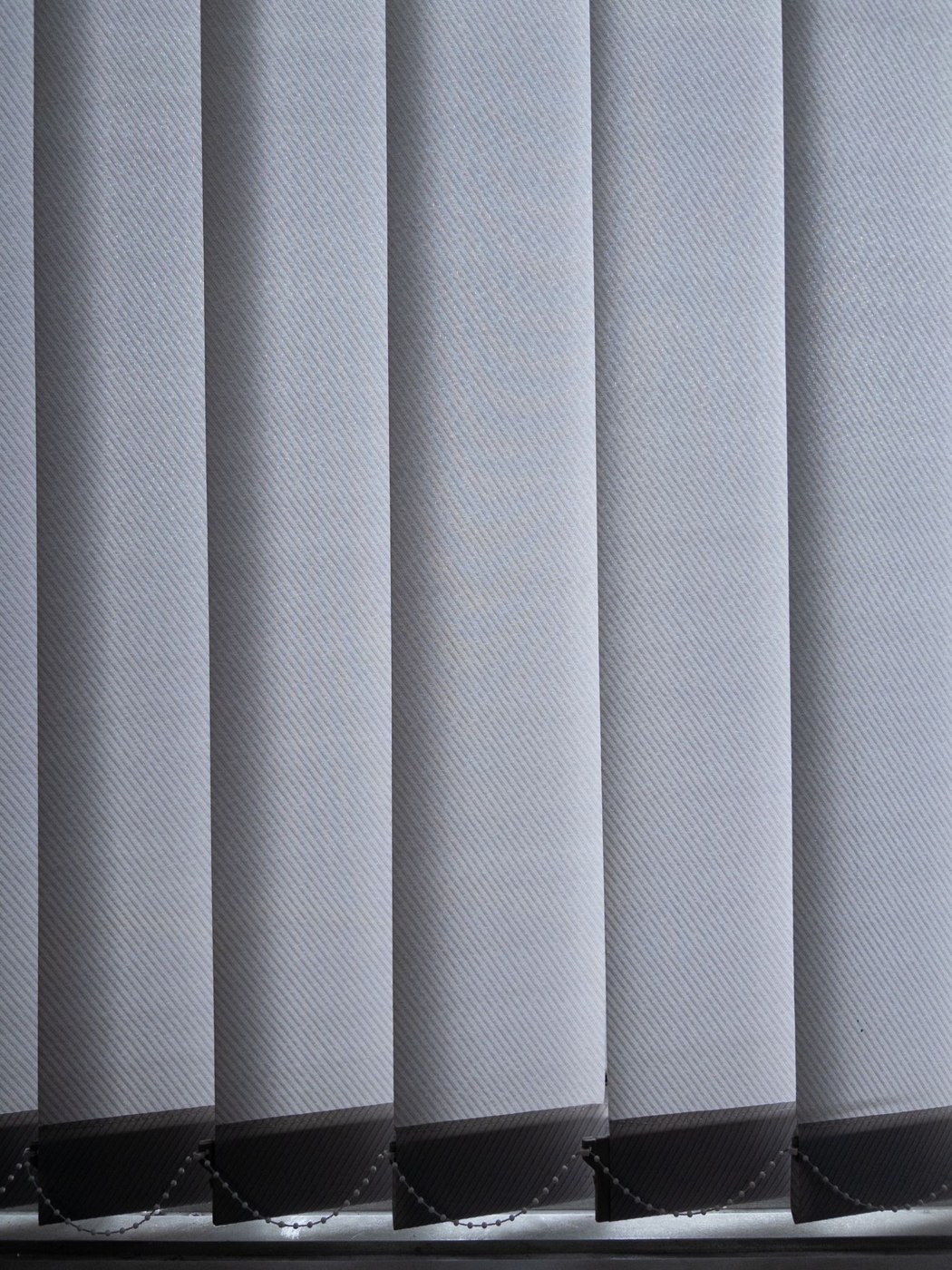
Find out which part of the window needs covering. Adjustable shading for a few hours may be sufficient while the remaining area still admits daylight. Compare ease of operation, the view outside and the effect on the display. A curtain that you never adjust because its control is difficult to reach will not respond well to a changing sun position.
Consider how the window opens and whether its movement conflicts with a lamp or shelf. In rented space, establish which fixings are allowed before drilling or ordering an exterior installation. Obtain appropriate help for building or electrical alterations. An existing internal blind or curtain that can be used safely is often enough for an initial trial without replacing the whole arrangement.
Look for a workable balance
Test the setting with real tasks: bright text pages, dark image areas and paper documents beside the display. Once the window is shaded, the room or document area may need additional lighting. Avoid responding to every change by automatically turning the screen to maximum brightness. First identify and adjust the light source causing the difficulty.
Repeat the observation after a few weeks or a significant seasonal change. A different sun angle can make a previously harmless direction relevant. Keep a short note of which setting works at which time. At a shared workstation, other users should also be able to operate the shading and know how to restore the usual arrangement after making their own adjustments.