Test the movement between page and display
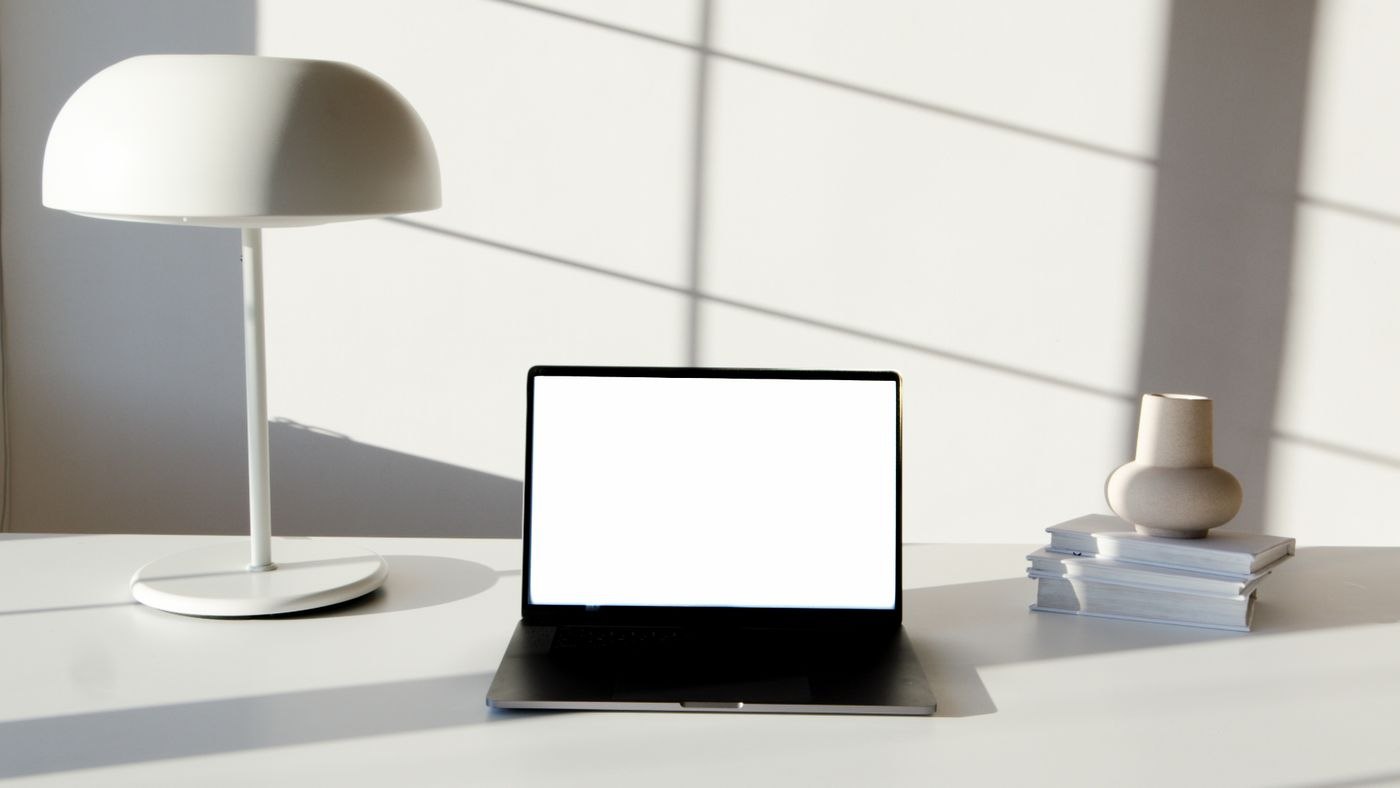
Place a typical document beside the keyboard or monitor and open the file you need to compare with it. Read alternately from paper and screen, as you would when transferring a figure or correcting a paragraph. Notice whether the sheet lies in shadow while the display looks very bright, or whether the lamp creates a reflection on the display. Identify the exact problem before changing several settings at once.
Try moving the paper first. A slight rotation or a document holder closer to the illuminated area may help more than a stronger lamp. Check that the new position does not require reaching across the keyboard repeatedly or turning your head awkwardly. The document should remain where the task requires it. Lighting and arrangement need to work together instead of compensating for each other's shortcomings.
For frequent comparison work, do not test only one bright, clearly printed sample. Include small tables, grey photocopies or a larger folder. A setting that works only for the easiest page may leave too little flexibility for normal documents. If several people use the workstation, also check their seated positions and whether they can reach the lighting controls without disturbing the whole setup.
Coordinate room and task lighting
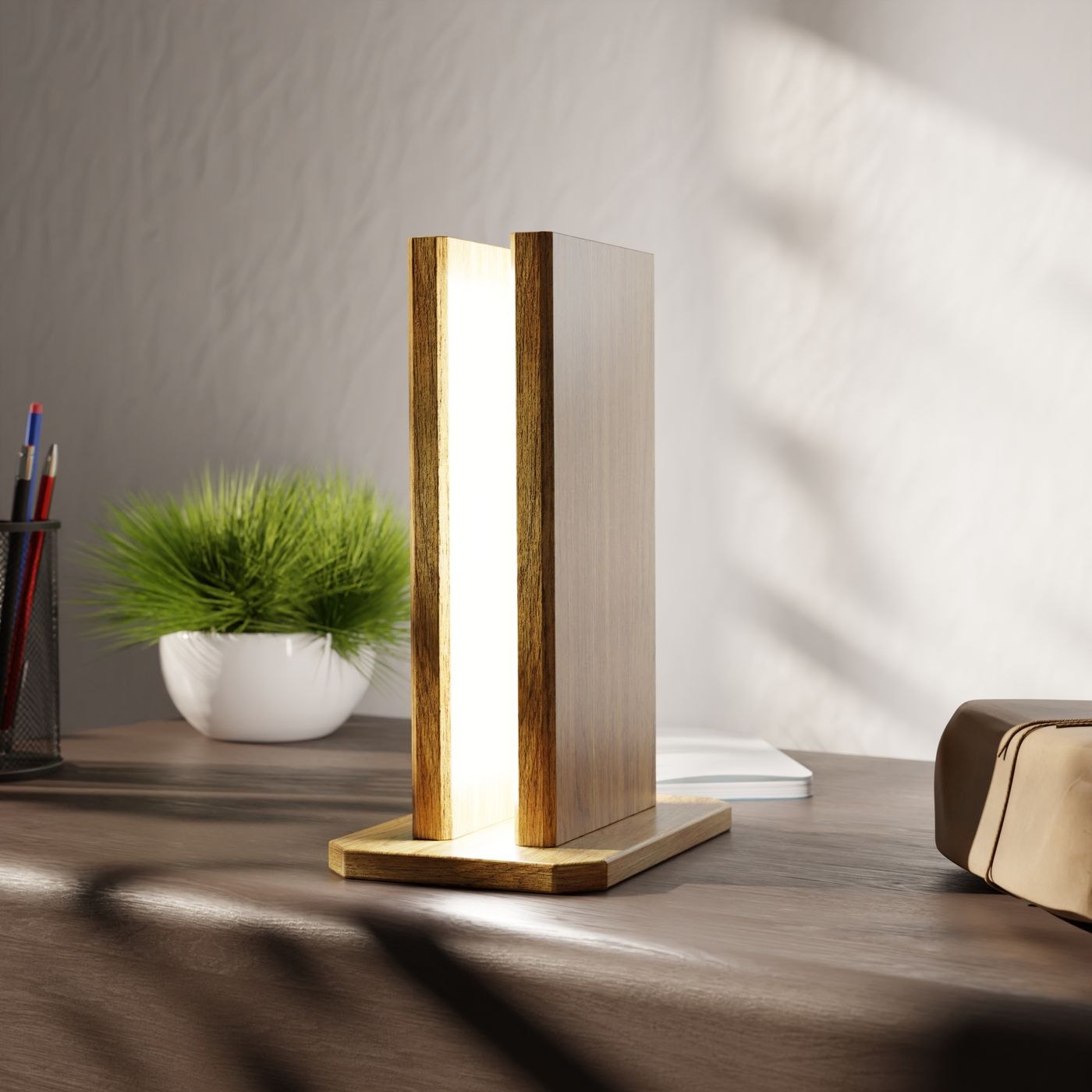
Switch the existing light sources on individually first. This reveals which one reaches the paper and which mainly appears as a reflection in the screen. Then try a combination that does not leave the desktop as a bright island in an otherwise dark room. Adjust display brightness to suit the surroundings, rather than using it to overpower a reflection. Address reflective light through positioning or shading wherever possible.
Repeat the trial after dark. Afternoon daylight can conceal weak or uneven artificial lighting. When an arrangement works, record which fittings are on and where their heads are positioned. If you alternate between screen-only tasks and long periods of paperwork, two easily repeated arrangements may be enough. A complicated system with many controls is of little value if every short task requires setting it up again.