Clarify the purpose and required surface
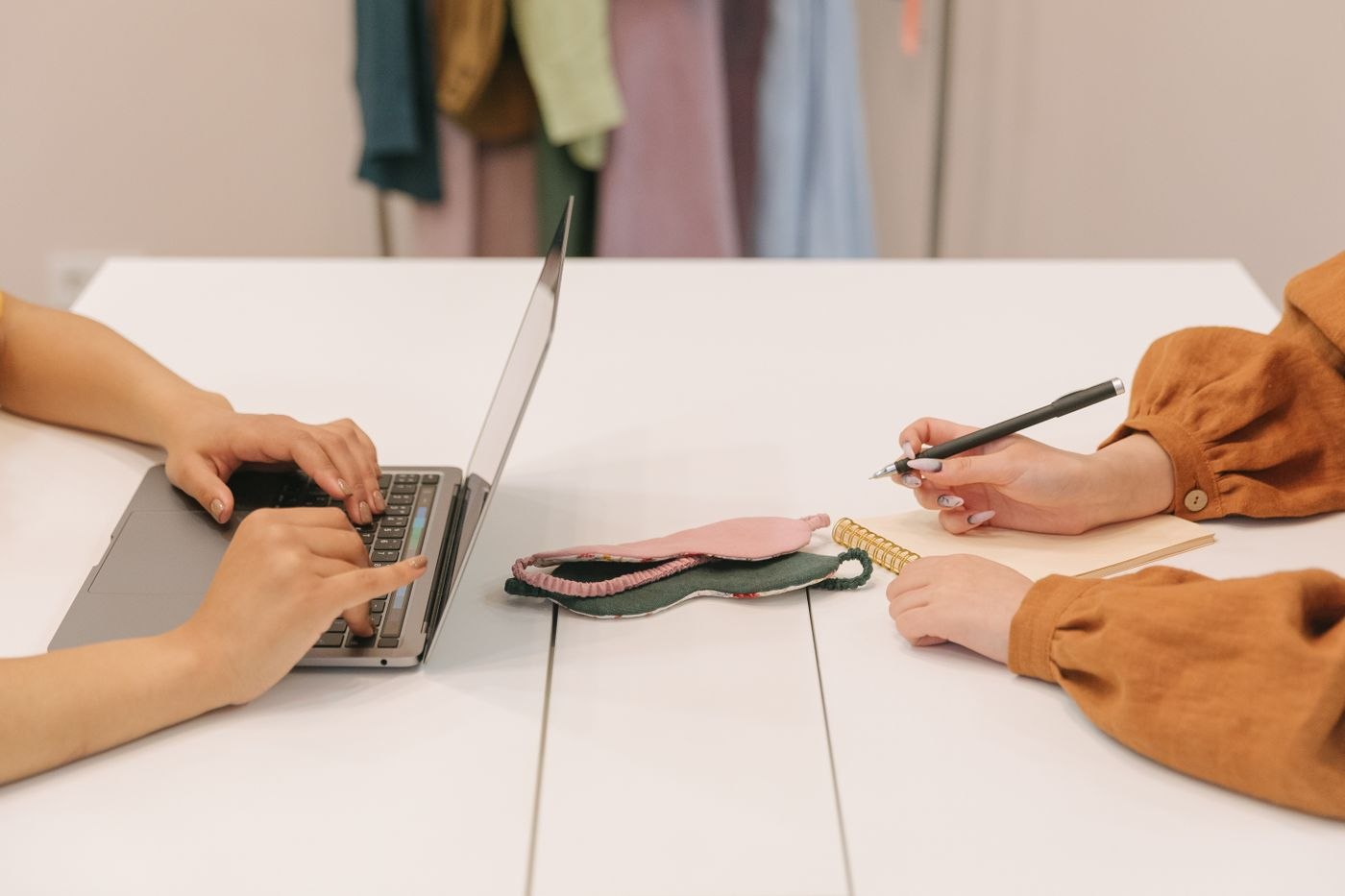
Decide whether the visit involves conversation alone, viewing a display together or spreading out several documents. That determines whether another chair at the desk is enough or a different table would suit the task better. Try the arrangement with a second person. A seat that fits on a floor plan may be too far away for shared reading or too cramped when someone stands up.
Prepare only the material required for the appointment. Remove unrelated project documents and private information from view. Check the screen, notifications and any visible noticeboard too. Holding a meeting in a domestic setting does not remove the requirements associated with confidential work information.
Make arrival straightforward
Provide the information needed for the visit, such as access, the agreed time and a way to contact you if there is a problem. Avoid sharing unnecessary personal details. If others use the home, agree the visit and the rooms involved beforehand so that the situation does not need to be negotiated at the door.
Provide a simple place for a coat and bag that leaves routes clear. If drinks are offered, they need a stable position away from sensitive equipment and important documents. Keep the route to the meeting place open and check that a seated visitor can leave without requiring you to dismantle the whole workstation first. This is easier to assess with someone physically using the chair.
Prepare only the technology the visit needs
For shared digital material, check readability from both seats. A small laptop display may be sufficient for a brief reference but unsuitable for a large spreadsheet. Open the required file in advance and close unrelated content. Use only the intended approved arrangement for guest access; do not improvise by sharing internal account credentials.
Afterwards, return documents to their proper locations and capture agreed actions. Remove temporary permissions through the agreed process and restore the normal desk layout. Record one specific improvement for the next visit, such as a more accessible chair or clearer arrival directions. Additional permanent visitor equipment is worthwhile only when the actual routine calls for it, rather than because a home office is expected to resemble a formal reception area.