Change direction first
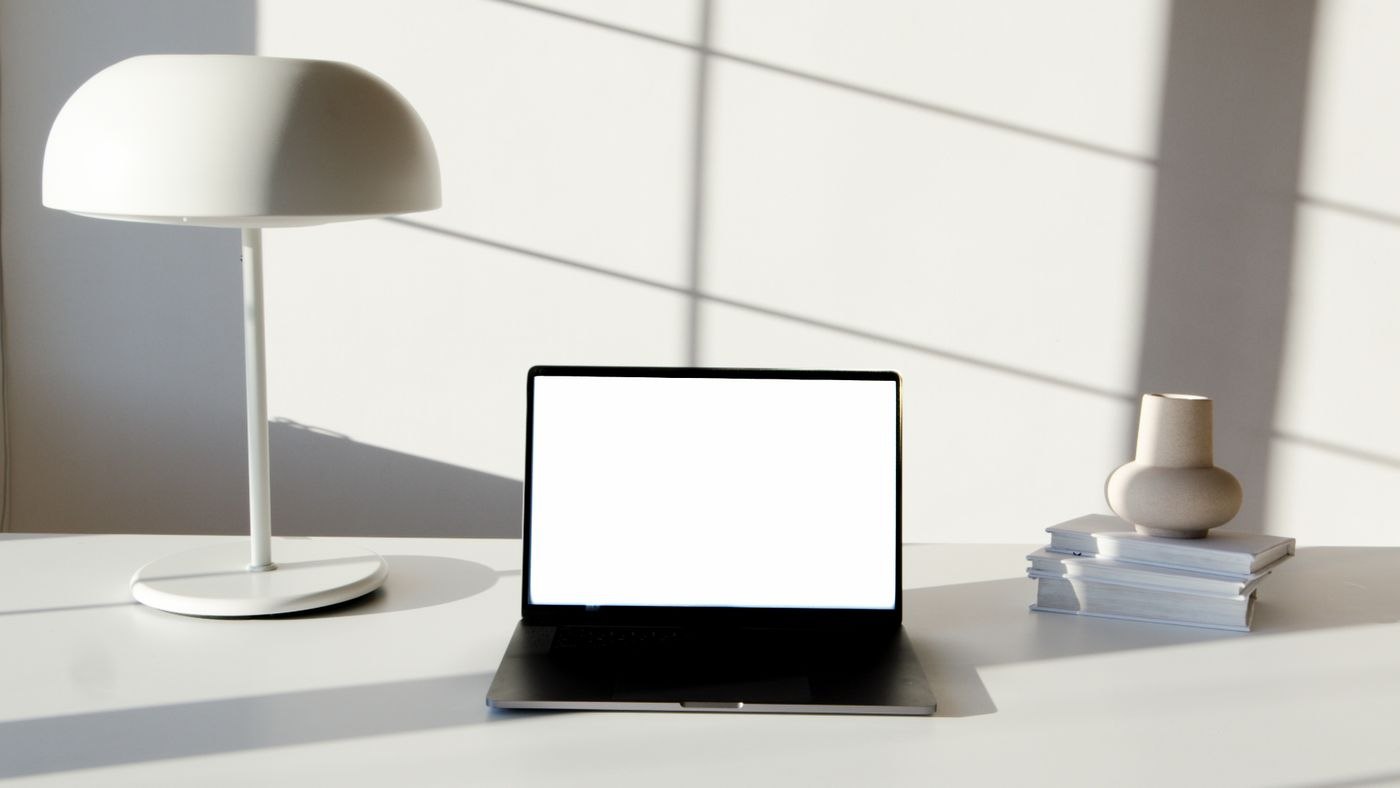
Open the camera preview at the time you normally take calls. A bright window behind you may create a strong difference in brightness across the picture. Try rotating the workstation or adjusting the shading where the room permits. Then check your own view of the display again. A direction that suits the camera should not require you to look directly towards an uncomfortable bright source.
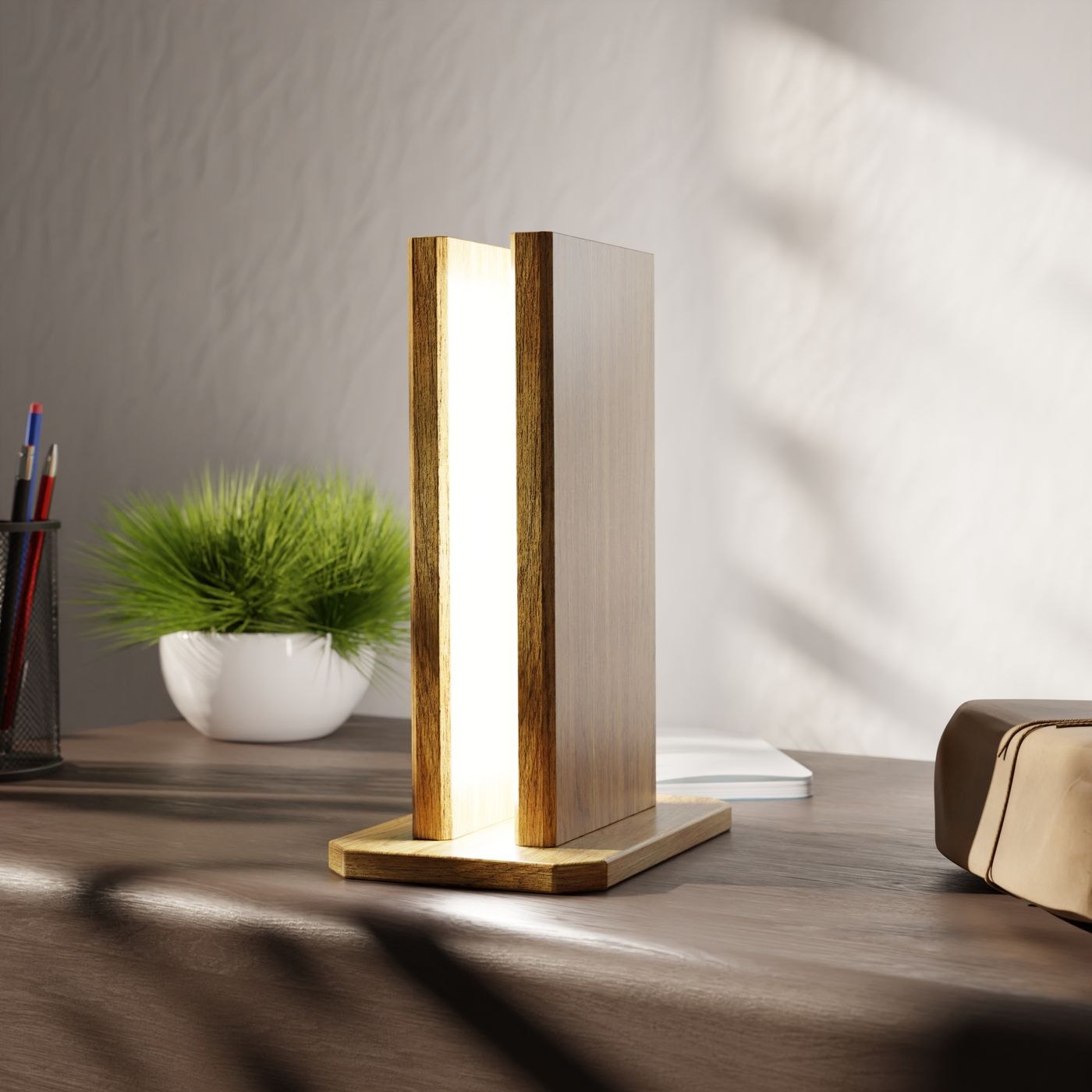
Test the existing lamps individually. A reflection in glasses or on a shiny object may become less intrusive at another angle. Change one position at a time and inspect the result while seated. The effect cannot be judged reliably from a lamp's place in the room without including the camera and the direction of your gaze in the trial.
Include normal movement
Speak a few sentences, glance down at notes and lean back slightly. Lighting that works only with your head held in one exact position will be inconsistent during an ordinary conversation. If you show documents or products, hold those in their intended position too. A glossy surface may need a different angle from the one that lights your face effectively.
Avoid placing a light very close on an improvised support if it could fall or obstruct the working area. Use a stand or mounting arrangement intended for the equipment. Route its cable so that movement of the chair or laptop does not pull on it. A brief trial with the camera you will actually use matters more than an elaborate arrangement of numerous light sources.
Record an easy call arrangement
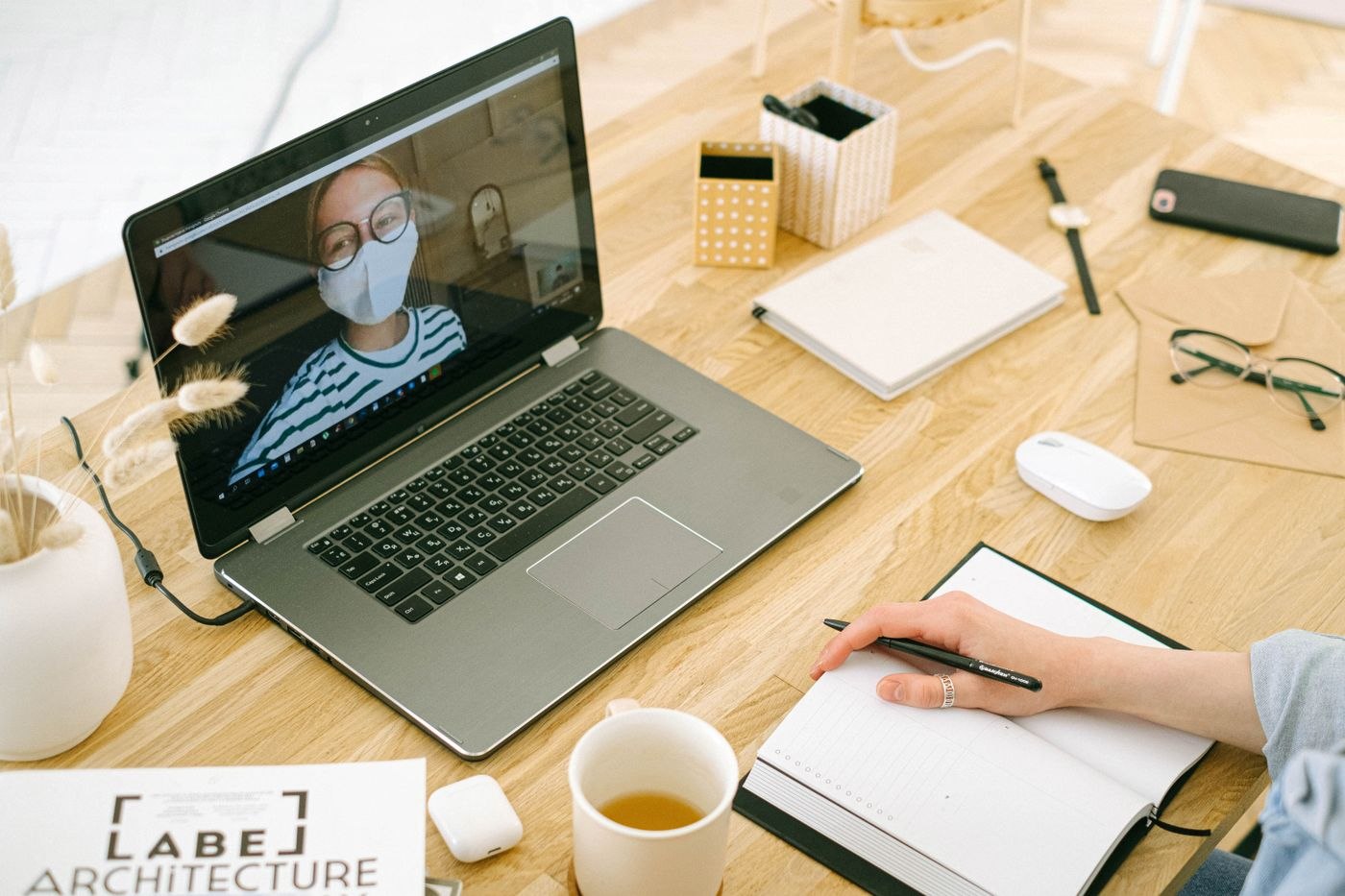
Save suitable camera settings where the application provides that option and note the lamp position. Do not assume that every application will use identical settings, however. Check the preview before an important appointment, especially after changing equipment or when the sun is at a substantially different angle.
During a test call, ask for specific feedback: are your face and the material you show clearly visible, and is there a distracting bright area? These questions are more useful than a general judgement about picture quality. If daylight and evening conditions produce different problems, keep two easily repeated arrangements instead of forcing a single supposedly perfect configuration to cover every situation.