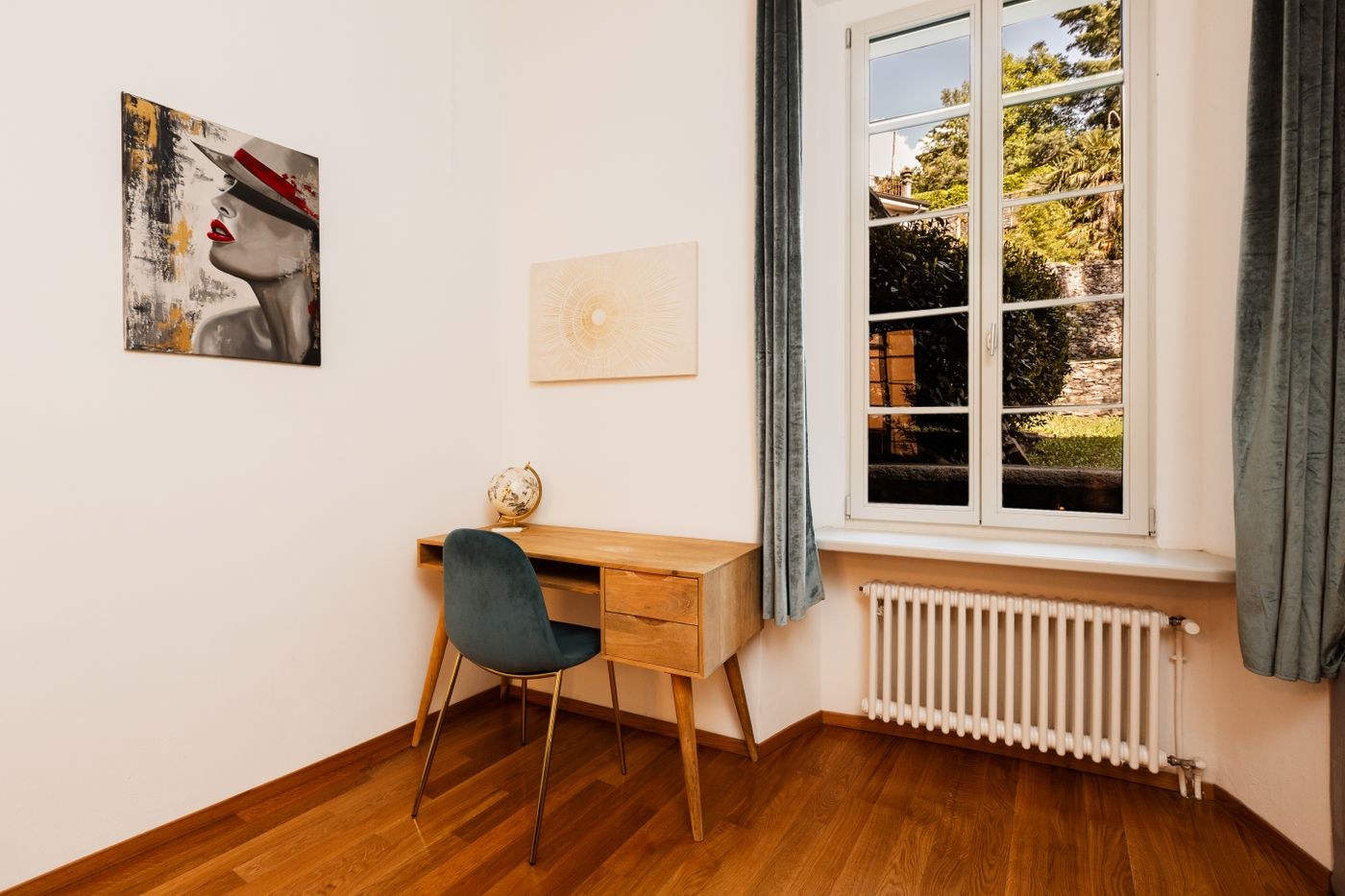
Bring the dimensions you need
Take measurements of the intended workspace, including doorway width and difficult points along the transport route. Measure the actual item on site. An approximate listing dimension is insufficient when a cupboard must fit an alcove or a desk must travel through a narrow staircase. Establish whether the furniture can be dismantled and what components that produces.
Ask to see the fittings needed for assembly. Photograph existing joints before dismantling and package small parts with clear identification. If screws or connectors are already missing, establish whether suitable replacements are available before collection. A low price is of little help if the item cannot later be assembled completely according to its instructions.
Test every function on the actual item
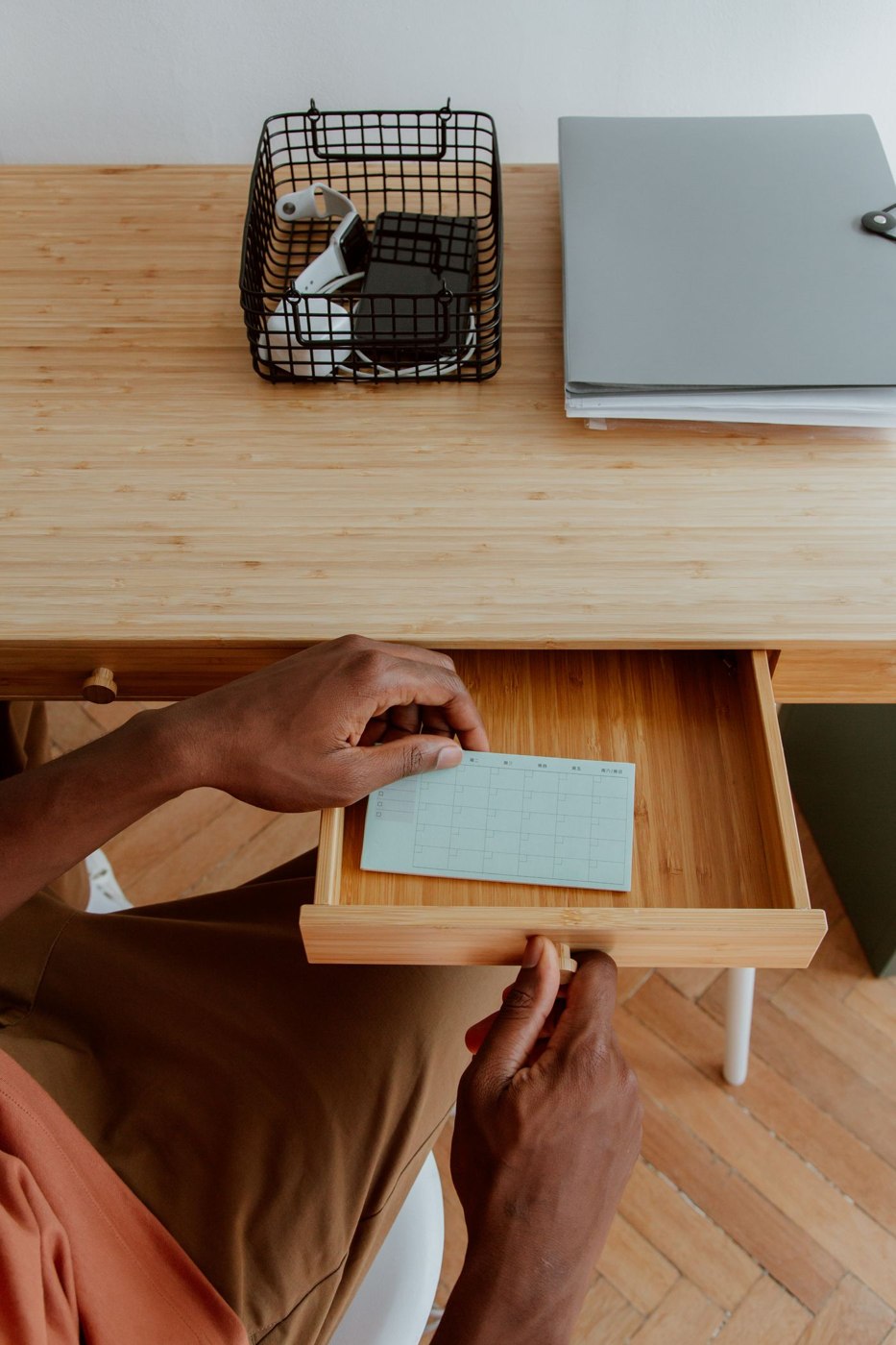
Open doors and drawers fully. Watch for rubbing, misalignment or a need for extra pressure to close them. Inspect handles, hinges and shelf supports. A pedestal's wheels should work appropriately on a suitable surface. For a chair, test its available adjustments and stability.
Look at surfaces in good light. Distinguish acceptable signs of use from damage affecting function or assembly. Ask about modifications and look for added holes or replacement components. Do not assume an improvised alteration was performed correctly. If its condition remains unclear, another item may be the simpler choice.
Allow for cleaning and missing accessories
Check for a product designation or instructions. They can help with care, replacement parts and reassembly. Assess upholstery and hard-to-reach areas as well as visible fronts. Establish appropriate cleaning methods before transport instead of experimenting with strong products afterwards.
Record which parts are included: keys, shelves, cable trays or additional armrests may appear in photographs while being sold separately. Keep a clear record of the agreed equipment. Finally, arrange enough assistance and suitable transport. Heavy furniture should not become an unexpected carrying problem only when you arrive to collect it. Compare the complete cost of transport, missing parts and cleaning with alternatives rather than evaluating the advertised price alone.
Connect collection with reassembly
Agree who will dismantle the furniture and which tools are needed before collection. Prepare suitable protection for edges and delicate surfaces. Secure or remove doors and drawers according to the intended transport arrangement. Photograph their assignment when several parts look similar.
Prepare the destination before the furniture arrives. A heavy cabinet placed temporarily wherever it fits may otherwise need moving again. Put fittings and instructions beside their corresponding parts and check completeness while questions are still easy to resolve. Load the furniture only after its intended assembly and functional checks. This prevents folders and devices obscuring missing connections or difficult-to-reach fastening points.