Observe how you actually use your hands
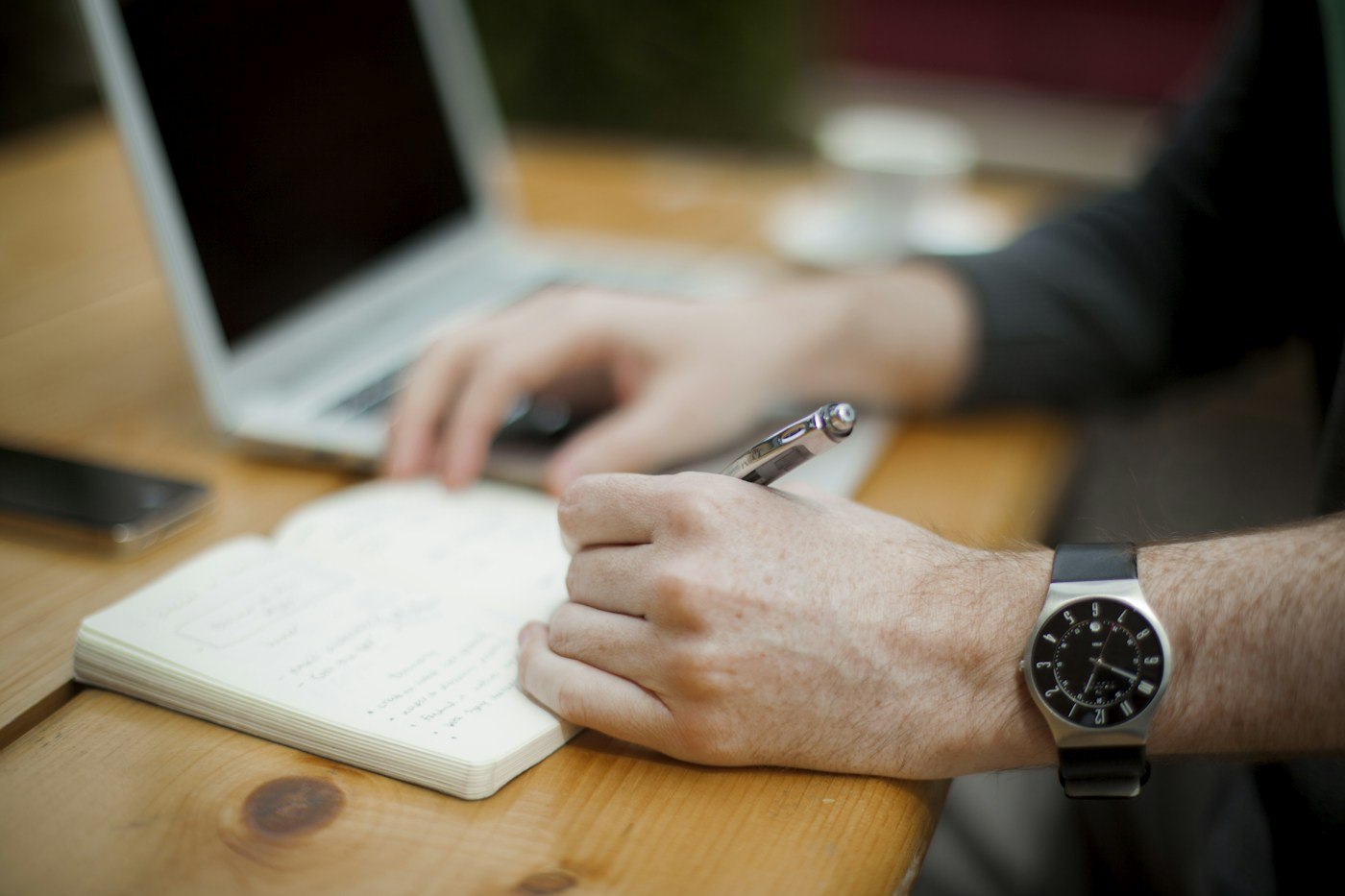
During several ordinary tasks, note which hand you use. Writing, mouse operation, telephone use and drawing may be distributed differently. Do not automatically plan a complete mirror image of an existing workstation. Place frequently used objects where the relevant movement works without changing hands unnecessarily.
Begin with a writing task. Lay out paper, pen and the reference document, then check whether a folder or lamp restricts movement. Turn the paper as you normally do and include that real area in the plan. A rectangular gap directly in front of the keyboard may not accommodate a document lying at an angle.
Position input devices deliberately
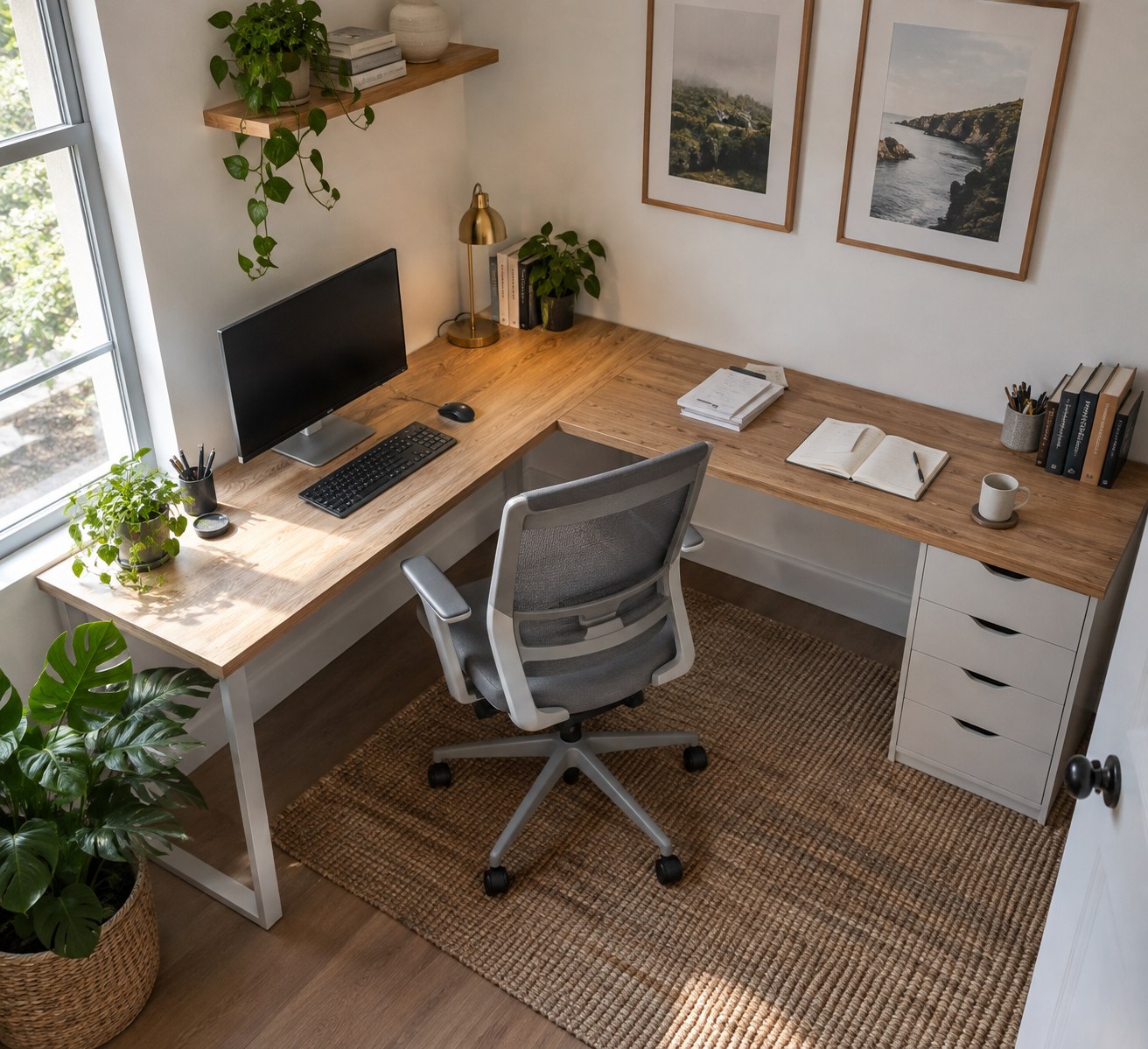
If you operate the mouse on the left, check the clear surface on that side. A fixed numeric keypad, desk edge or pedestal may affect the available movement. A compact keyboard can release space, but only if the omitted keys are not constantly needed for your work. Test a typical sequence before buying equipment solely to change the arrangement.
Check whether a mouse's shape and buttons suit the intended hand. A symmetrical outline does not establish how its side buttons will work. Settings or extra software may be restricted on work computers, so resolve adjustments through the appropriate process. Keep a record of personal settings when sharing the workstation.
Test light and storage during use
Try handwriting with the task light switched on. Notice whether your hand or pen casts a distracting shadow over the part being written. Move an adjustable lamp and check reflections on the display at the same time. The useful position comes from considering writing and screen work together.
Position a phone holder or document tray so its cables and supports do not cross the preferred movement path. At a shared desk, these items should be easy to relocate. After several days, record which objects genuinely work better in their new positions. A small targeted adjustment is more useful than a completely mirrored setup that unnecessarily changes other familiar routines. Leave occasional-use objects outside the main working area so they do not gradually occupy the space you have recovered.