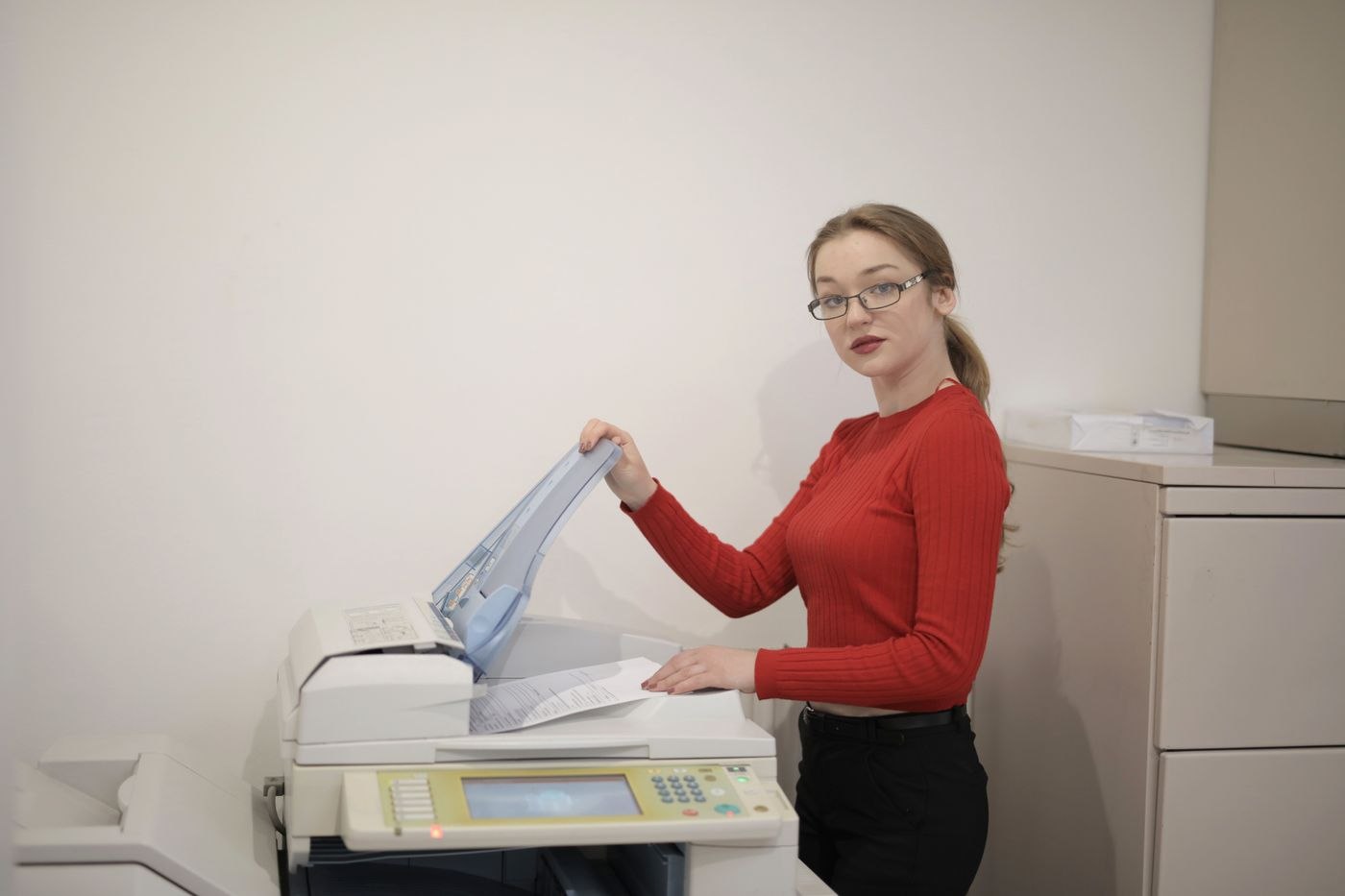
Check the route through the printer
Read the device manual for the paper types and weights accepted by each feed path. A cassette, rear feeder and automatic duplex unit may have different limits. Do not apply the highest advertised weight to every operating mode. For coated media, also check that the paper is intended for your printing technology. Photo paper sold for an inkjet is not automatically suitable for a laser printer.
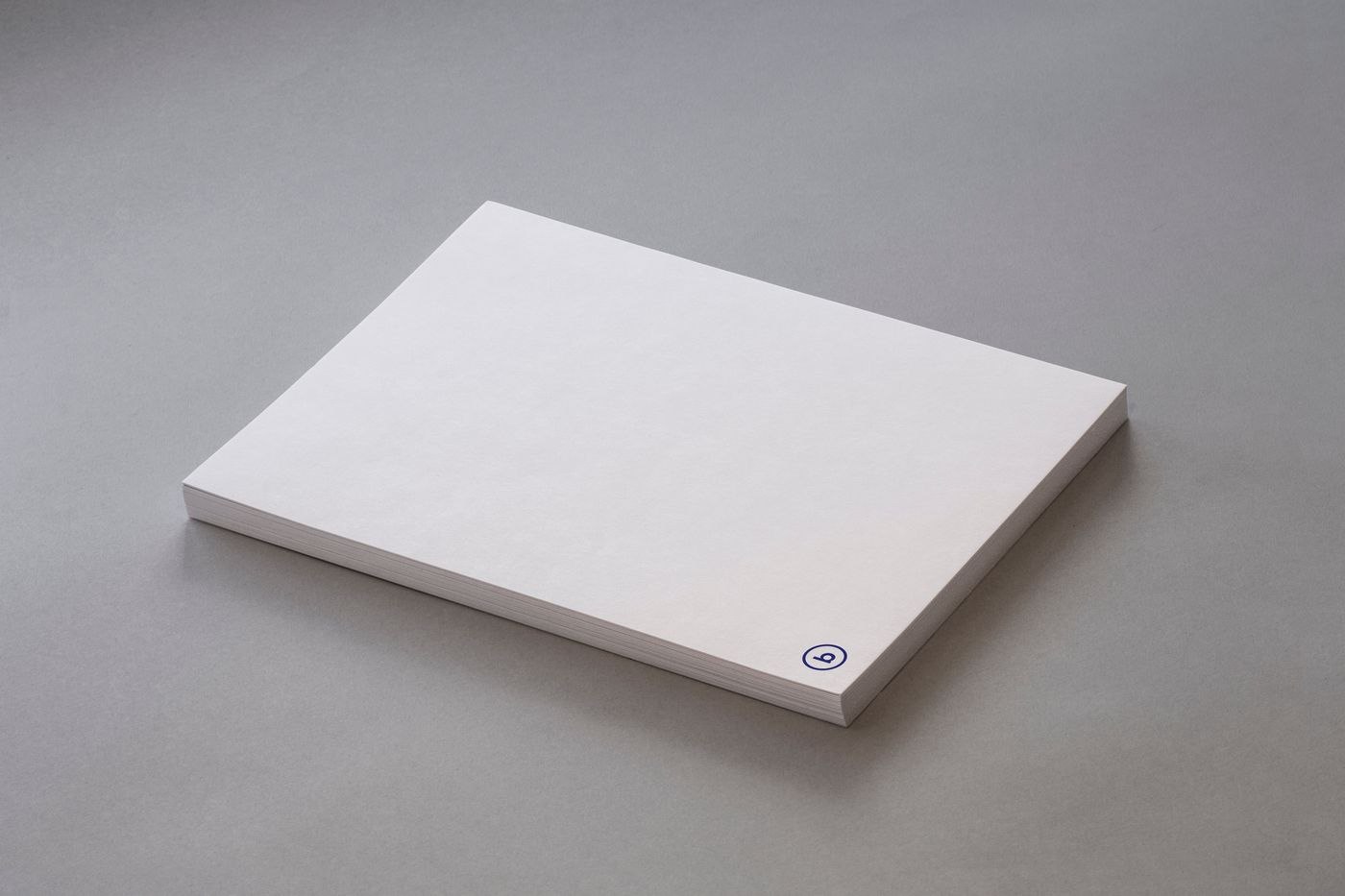
Reliable feeding matters more than extra weight for ordinary working notes. A double-sided report also needs an acceptable level of show-through. Print dense text on one side and larger dark areas on the other. Examine the result under the light in which the report will be read. Use this sample to decide whether content on the reverse distracts from the page in front of you.
Test a document from your own work
A promotional photograph is not a useful test for every office. Use an anonymised page containing your usual tables, small type and coloured markings. Look at fine rules, text in grey cells and areas where someone will use a highlighter. Allow the print to dry as directed for the particular paper and ink before handling or finishing it.
A quotation that will be folded into an envelope has different requirements from a single sheet laid on a meeting table. Fold your sample, insert it into the intended envelope and test stapling or punching for longer reports. Very stiff stock can unnecessarily fill an otherwise suitable folder. Buy a large quantity only when printing and finishing both work well with the chosen sheet.
Keep the selection manageable
Label opened packs with their size, type and intended use. Keep the original wrapper where possible so that the appropriate printer settings remain identifiable. Store paper flat and follow its manufacturer's storage guidance. A loose stack beside an open window or a drink that could spill is a poor reserve supply.
A small office may only need one everyday stock and a second type chosen for a particular purpose. Compare prices per usable sheet, rather than per pack alone, and include waste from feeding problems or failed duplex tests. Record the settings that worked beside the stored paper. The next person can then reproduce the result without repeating your entire trial.