Mark the clear area before filling it
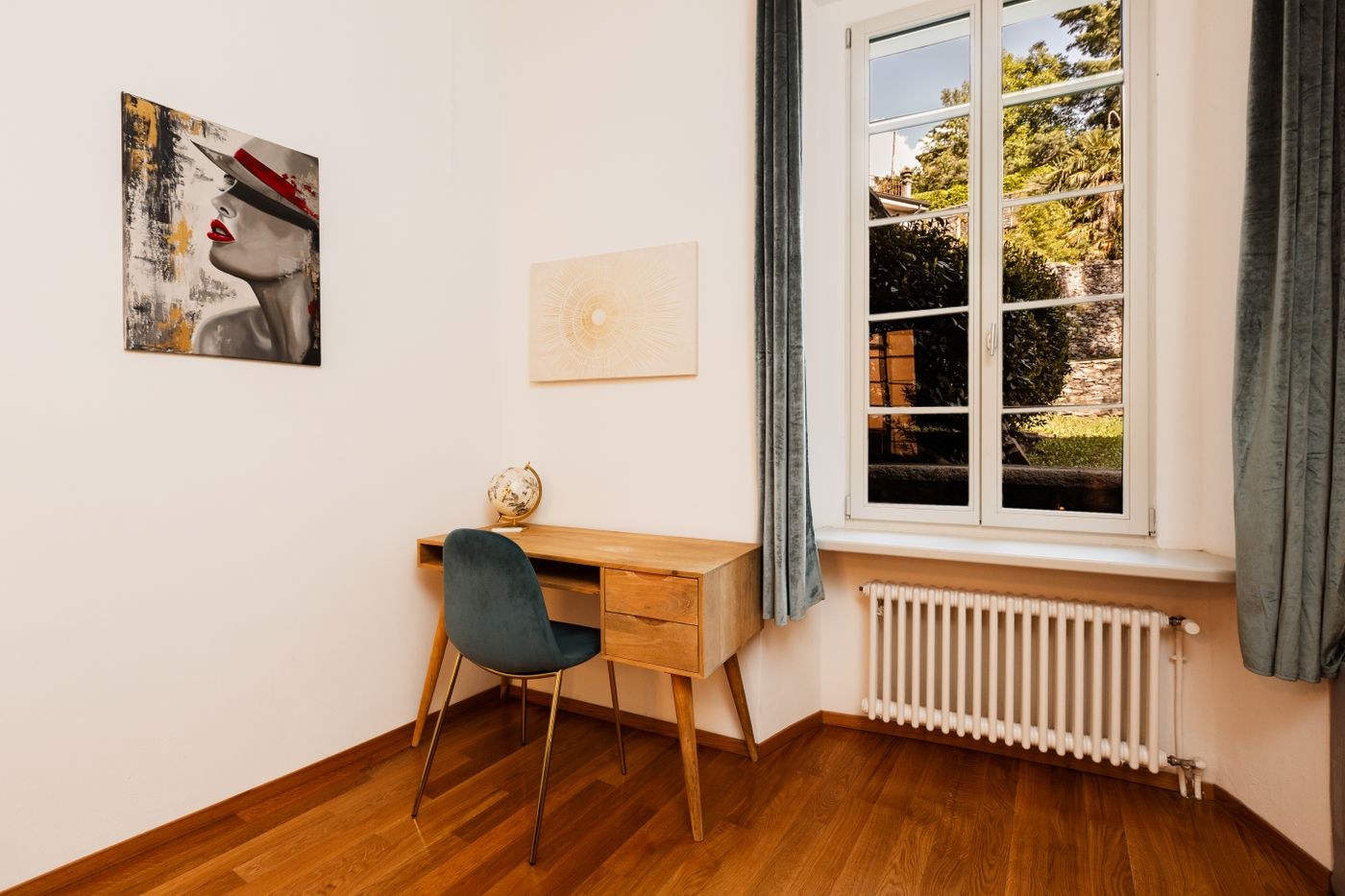
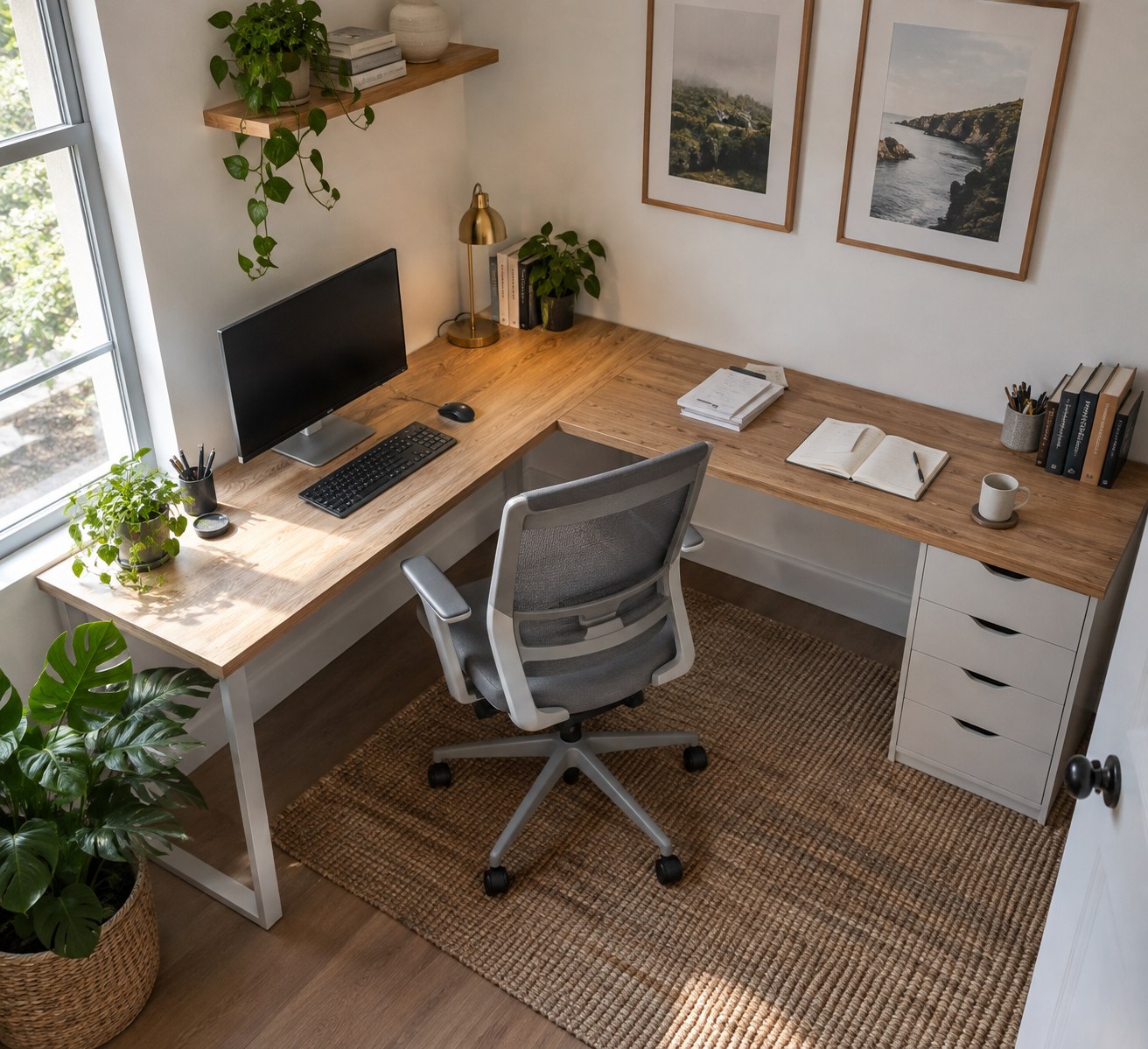
Sit at the desk and move your legs through the positions you actually use during a working session. Roll the chair back slightly and turn towards a side surface. Mark the area that needs to stay clear for those movements. Only the remaining space is a candidate for storage. The entire width between desk legs is not automatically available for boxes.
Inspect the frame too. Crossbars, cable trays and drawers can reduce clear height. A container may fit with its drawer closed but obstruct the seating area when opened. Include the movement of lids and drawers in the plan. Frequently used materials should be reachable without moving the chair completely aside each time.
Sort by access and shape
Separate working materials from reserve supplies. A current project folder needs different access from an unopened pack of paper. Put the objects into the proposed container during the trial rather than comparing external dimensions alone. Hanging files, broad binders and flat drawings need different interiors. A narrow pedestal may look right while failing to hold your documents.
Avoid loose piles on the floor. They are difficult to move together and gradually spread into legroom. A suitable closed box may be clearer for materials used infrequently. Label its accessible side so that you can identify the contents without pulling it out completely. Keep stored materials away from a computer's ventilation openings.
Preserve cleaning and cable access
Storage beneath a desk should not completely block access to plugs and cables. Check whether a container can be removed without dismantling several devices first. For wheeled furniture, handles and wheels should remain usable when it is loaded. Follow the furniture manufacturer's directions on safe use and loading.
After filling the storage, leave the workstation in use for several days and notice what becomes inconvenient. A box repeatedly pushed away with your foot is occupying movement space. Contents that are never needed may belong elsewhere in the room. Successful under-desk storage keeps working materials accessible while genuinely preserving the clear area needed by the chair and its user. Recheck that balance whenever you add another box rather than treating an empty-looking gap as spare capacity.