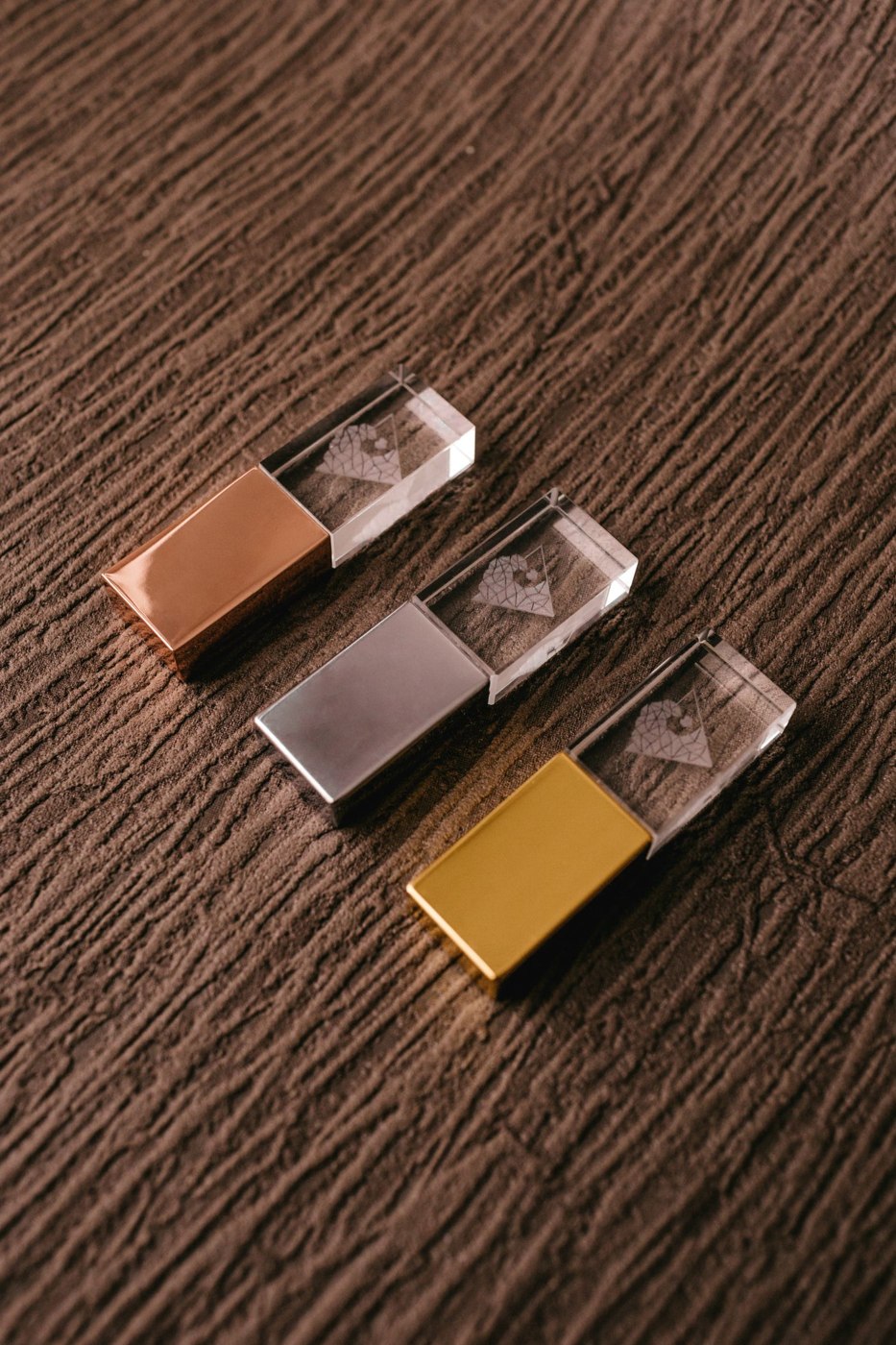
Use only approved media
First check whether USB storage is permitted for this handover in your organisation. Do not use unknown found drives, and accept outside media only through the agreed process. BSI treats removable media as a distinct security concern. An available USB port is not permission to connect arbitrary devices or contents.
Assign each drive a purpose. A neutral identifier on the housing can help without revealing confidential project names. Keep the association separately and clearly recorded. Do not mix personal photographs, old work versions and the current handover on a device that will be passed to another person.
Assemble a clear handover package
Create one clearly named folder containing the intended files. Where needed, add a short description of the version and expected next action. The recipient should not have to infer the valid version from names such as final-new. Remove unnecessary copies from the package according to the relevant procedure.
After copying, open files directly from the drive and check required supporting material. A document may work on your computer because additional images or fonts are available there. An appropriate exchange format may be more suitable than the working file alone. Agree the format with the recipient.
Track receipt and return
Record who receives the drive and whether it must come back. For several devices, a small list with identifier, recipient and agreed return date is enough. Keep it current instead of obtaining another drive whenever the previous one cannot be found.
Have receipt of the required files confirmed before preparing the device for another purpose. Clearing it must match the information's protection requirements and the device; ordinary deletion is not automatically evidence of secure removal. Follow your organisation's approved procedure. Separate defined storage for empty drives and those still containing active handovers then helps prevent mix-ups. Keep a suitable retained copy of the handover where your working process requires one, rather than treating the travelling device as the only record.